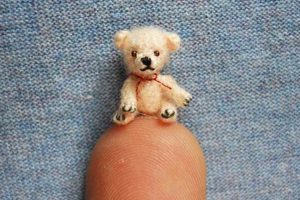
A framed, recessed display case, often containing a cherished stuffed animal and related memorabilia, serves as a charming method of preservation and display. These cases can range from simple, store-bought frames to elaborate, custom-built constructions, incorporating elements like personalized backgrounds, miniature furniture, and descriptive labels.
Such displays offer a protective environment for delicate plush toys, shielding them from dust, sunlight, and accidental damage. More importantly, they transform beloved childhood companions into decorative art pieces, evoking nostalgia and preserving treasured memories. The practice of preserving sentimental objects has a long history, connecting present generations with past experiences. Display cases allow for personalized narratives, transforming a simple toy into a tangible representation of personal history.
This article will further explore the diverse creative possibilities offered by these unique displays, examining various construction methods, design ideas, and the emotional significance behind preserving cherished playthings.
Tips for Creating Effective Display Cases for Plush Toys
Careful planning and execution are essential for creating a compelling and lasting display. The following tips offer guidance for constructing and arranging these sentimental showcases.
Tip 1: Choose the Right Case: Select a case size appropriate for the toy and any intended additional elements. Depth is crucial, allowing ample space without the toy appearing compressed.
Tip 2: Background Selection: A carefully chosen background enhances the display. Fabric, patterned paper, or painted surfaces can complement the toy and create visual interest. Consider the color and texture of the chosen material.
Tip 3: Secure Placement: Ensure the toy is securely positioned within the case. Acid-free materials and appropriate adhesives prevent damage over time. Avoid direct contact between adhesives and the toy itself.
Tip 4: Adding Memorabilia: Incorporating related items, such as photographs, small toys, or handwritten notes, can enrich the narrative and personalize the display.
Tip 5: Labeling and Descriptions: Brief, descriptive labels provide context and add a historical element, especially for future generations. Use archival-quality materials for longevity.
Tip 6: Protection from the Elements: Place the finished display away from direct sunlight, excessive humidity, and extreme temperatures to prevent fading and deterioration.
Tip 7: Regular Maintenance: Periodically inspect the display for any signs of damage or deterioration. Gentle cleaning with appropriate materials maintains its pristine condition.
By following these guidelines, one can create a captivating display that safeguards a beloved toy and the memories associated with it. These miniature time capsules offer a tangible link to the past, ensuring cherished childhood companions remain a part of one’s life story.
These considerations provide a strong foundation for creating a meaningful and lasting tribute to cherished childhood companions. The following section will explore further customization options and advanced techniques.
1. Preservation

Preservation forms a cornerstone of the shadow box concept, particularly when applied to delicate items like plush toys. These treasured objects, often symbols of childhood and formative experiences, are susceptible to environmental damage. Exposure to light, dust, fluctuating humidity, and pests can lead to fading, discoloration, fiber degradation, and even structural damage. A dedicated display case provides a controlled microclimate, mitigating these risks and extending the lifespan of the object. This proactive approach to preservation safeguards not only the physical integrity of the toy but also the intangible memories it embodies. Consider a vintage teddy bear, a cherished heirloom passed down through generations. Encasing it within a protective display case prevents further wear and tear, allowing future generations to appreciate its historical and sentimental value.
Effective preservation requires careful material selection. Acid-free backing boards and archival-quality adhesives prevent chemical interactions that could damage the toy over time. UV-filtering glazing materials minimize light exposure, further reducing the risk of fading. Properly sealed cases also offer protection against dust and pests. This meticulous approach transforms the display case from a simple decorative element into a preservation tool, ensuring the longevity of cherished possessions. Museums utilize similar principles to preserve historical artifacts, highlighting the importance of environmental control in safeguarding delicate items.
Preservation within a shadow box extends beyond the physical object, encompassing the associated memories. By creating a dedicated space for display, these objects are elevated from forgotten playthings to treasured artifacts. The act of carefully arranging the item, perhaps alongside related photographs or mementos, reinforces the emotional connection and strengthens the narrative surrounding it. This tangible representation of personal history ensures that memories remain vivid and accessible, bridging generations and fostering a sense of continuity. The preserved toy becomes a touchstone, a physical embodiment of cherished memories, protected and appreciated for years to come.
2. Display

Display transforms a simple storage solution into a curated presentation, elevating the preserved object into a focal point. Within the context of a teddy bear shadow box, display serves as a crucial bridge between preservation and the communication of personal narratives. It’s the act of showcasing, of intentionally arranging and presenting a cherished item for viewing and appreciation. This act imbues the object with renewed significance, transforming it from a forgotten plaything into a treasured artifact.
- Visibility and Focus:
Effective display centers around directing the viewer’s attention to the primary object. Within a shadow box, the arrangement, lighting, and background all contribute to highlighting the teddy bear. Strategic placement, free from clutter and distractions, allows the viewer to fully appreciate the toy’s features and condition. Similar principles are employed in museum exhibits, where careful lighting and minimalist design draw attention to the displayed artifacts.
- Context and Narrative:
Display provides an opportunity to create a narrative around the object. Incorporating related memorabilia, such as photographs, letters, or small toys, enhances the story and adds layers of meaning to the display. For example, a faded photograph of a child holding the teddy bear placed alongside the toy itself creates a poignant tableau, communicating a powerful story of cherished memories. This approach mirrors archival practices, where documents and objects are displayed together to provide context and deeper understanding.
- Aesthetics and Design:
The aesthetic qualities of the display contribute significantly to its overall impact. Color palettes, textures, and the arrangement of elements within the shadow box influence the viewer’s perception. A thoughtfully chosen background, complementary colors, and balanced composition enhance the visual appeal and create a cohesive presentation. These principles are fundamental to visual arts and design, demonstrating the importance of aesthetic considerations in effective communication.
- Accessibility and Interaction:
While preservation requires protection from direct handling, the display should still facilitate a sense of connection with the object. A well-designed shadow box allows for clear viewing, offering a close-up look at the preserved teddy bear without compromising its safety. The placement of the box itself, in a prominent location within the home, encourages interaction and reminiscing. This balance between preservation and accessibility is crucial for ensuring the object remains a meaningful part of the owner’s life.
These facets of display work in concert to transform a preserved teddy bear into a powerful symbol of personal history. The shadow box becomes more than just a container; it becomes a stage, a frame for a story waiting to be told. The careful consideration of visibility, context, aesthetics, and accessibility ensures the displayed object resonates with meaning and continues to evoke cherished memories for years to come.
3. Memory

Memory forms the underlying motivation behind the creation and preservation of a teddy bear shadow box. These displays are not mere decorative objects; they serve as tangible repositories of personal history, encapsulating significant life events and emotional connections. The act of selecting, arranging, and displaying a beloved childhood toy transforms it from a simple plaything into a powerful symbol of cherished memories, bridging the past with the present.
- Emotional Resonance
Objects possess a unique ability to trigger memories and emotions. A well-loved teddy bear, often a constant companion during childhood, becomes imbued with sentimental value. Its presence evokes a sense of comfort, security, and nostalgia, transporting the owner back to formative experiences. Displaying the bear in a shadow box elevates this emotional resonance, transforming a private memento into a celebrated artifact.
- Narrative Preservation
A teddy bear shadow box provides a framework for constructing and preserving personal narratives. The inclusion of related items, such as photographs, letters, or small toys, adds context and depth to the central object. These supporting elements create a multi-layered narrative, weaving together individual memories into a cohesive story. The shadow box becomes a miniature time capsule, capturing a specific moment in time and preserving it for future generations.
- Intergenerational Connection
These displays can facilitate intergenerational connections, providing a tangible link between past and present. Sharing the stories associated with a preserved teddy bear can bridge generational gaps, fostering a sense of shared history and understanding. The shadow box becomes a starting point for conversations, allowing older generations to share their experiences and younger generations to connect with their family history.
- Tangible Legacy
Creating a teddy bear shadow box represents a conscious effort to preserve a tangible legacy. These displays offer a way to curate and transmit personal history, ensuring that cherished memories are not lost to time. The carefully preserved teddy bear, along with its accompanying narrative, becomes a treasured heirloom, passed down through generations, carrying with it the weight of personal significance and familial connection.
The teddy bear shadow box acts as a tangible manifestation of memory, transforming sentimental objects into powerful symbols of personal history. By preserving these objects and the stories they represent, individuals create lasting legacies that transcend generations, ensuring that cherished memories endure. The careful curation and display of these items reflect the enduring power of memory and its profound influence on personal identity and familial connections.
4. Personalization
Personalization imbues a teddy bear shadow box with individual meaning, transforming a generic display into a unique reflection of personal history and sentiment. It moves beyond mere preservation, injecting a layer of narrative and emotional depth that resonates with the creator and evokes specific memories. This process elevates the display from a simple arrangement of objects to a powerful expression of personal identity and cherished experiences. The following facets illustrate the key components of personalization within this context.
- Unique Storytelling
Personalization allows for the creation of a unique narrative around the displayed teddy bear. This might involve including items specific to the relationship between the owner and the toy, such as a handwritten birthday card received alongside the bear, a child’s drawing featuring the bear, or a small, worn blanket the bear frequently accompanied. These elements contribute to a richer, more personalized narrative, transforming the display into a tangible representation of specific memories and experiences. This act of weaving together objects and memories creates a powerful narrative tapestry unique to the individual.
- Thematic Design
Thematic design offers an avenue for expressing personal interests and preferences. The background, framing, and additional elements within the shadow box can reflect specific themes relevant to the individual’s connection with the teddy bear. A bear received during a seaside vacation might be displayed against a backdrop of seashells and sand, evoking memories of that specific time and place. A bear associated with a favorite book might be displayed alongside miniature versions of objects from the story, creating a personalized homage to a cherished narrative. This deliberate choice of theme adds layers of meaning and transforms the display into a personalized microcosm of individual interests.
- Symbolic Representation
Objects chosen for inclusion can hold symbolic meaning, further enhancing the personalization of the display. A dried flower from a special occasion tucked beside the bear might symbolize a particular memory or emotion. A small charm representing a shared interest might represent a bond between the owner and the giver of the bear. These symbolic elements add depth and complexity to the narrative, transforming the display into a nuanced reflection of personal values and experiences. This subtle use of symbolism allows for deeper layers of meaning to be embedded within the display, enriching its personal significance.
- Evolving Narratives
The personalized nature of a teddy bear shadow box allows for evolving narratives over time. As new memories are formed and new objects acquired, the display can be adapted and expanded. This dynamic quality ensures the shadow box remains a relevant and evolving reflection of personal history, continually adapting to incorporate new experiences and deepen its connection to the individual. This capacity for change reflects the ongoing nature of memory and the evolving relationship between an individual and their cherished possessions.
These facets of personalization highlight the transformative power of individual expression within the framework of a teddy bear shadow box. By incorporating unique elements, thematic designs, symbolic representations, and allowing for evolving narratives, individuals create deeply personal and meaningful displays that serve as powerful reminders of cherished memories and personal history. These personalized touches transform the display from a simple preservation effort into a dynamic and evolving expression of self.
5. Craftsmanship
Craftsmanship plays a pivotal role in the creation and overall impact of a teddy bear shadow box. The level of care and skill invested in constructing and arranging the display directly influences its aesthetic appeal, longevity, and ability to effectively convey personal narratives. A well-crafted shadow box enhances the preserved object’s perceived value and strengthens the emotional connection between the viewer and the displayed item. The choice of materials, precision of construction, and attention to detail contribute to a sense of quality and reverence for the preserved object and associated memories. Consider a shadow box constructed with precisely mitered corners, archival-quality materials, and carefully chosen embellishments. This meticulous approach elevates the display, transforming it from a simple container into a work of art.
The impact of craftsmanship extends beyond mere aesthetics. Sturdy construction ensures the long-term preservation of the enclosed items, protecting them from dust, pests, and environmental damage. Precisely cut mats and carefully applied adhesives prevent the displayed items from shifting or becoming damaged over time. The use of archival-quality materials, such as acid-free backing boards and UV-filtering glazing, further safeguards the preserved objects, ensuring their longevity. This commitment to quality demonstrates a respect for the preserved object and the memories it represents. A poorly constructed shadow box, conversely, can detract from the displayed item, potentially causing damage and diminishing its perceived value. A wobbly frame, loose backing, or non-archival adhesives can compromise the integrity of the display and undermine its preservation efforts.
Craftsmanship is integral to the overall effectiveness of a teddy bear shadow box as a vehicle for storytelling and memory preservation. A well-crafted display enhances the presentation of the narrative, drawing attention to the displayed objects and their associated stories. The careful arrangement of items, the choice of background materials, and the incorporation of decorative elements contribute to a cohesive and compelling visual narrative. This meticulous approach underscores the importance of the preserved object and the memories it embodies. The craftsmanship inherent in the shadow box itself becomes a testament to the value placed on the preserved object and the desire to protect and celebrate its significance.
6. Protection

Protection represents a fundamental aspect of a teddy bear shadow box, extending beyond mere display. These enclosures safeguard cherished plush toys from a range of environmental factors that contribute to deterioration. Dust accumulation, a common concern for delicate fabrics, is significantly mitigated by the enclosed nature of the shadow box. Exposure to light, particularly ultraviolet radiation, can cause fading and discoloration over time; the shadow box acts as a barrier, minimizing this risk. Fluctuations in temperature and humidity can also negatively impact plush toys, causing weakening of fibers or the growth of mold and mildew. A well-sealed shadow box provides a stable microclimate, mitigating these risks. Pests, such as moths or insects, pose a threat to natural fibers. The protective enclosure prevents infestations, preserving the toy’s integrity. Consider a vintage teddy bear displayed in a sunlit room. Over time, the fur may fade and become brittle. Enclosing the bear within a shadow box prevents this damage, preserving its original condition for future generations.
Beyond environmental protection, a shadow box offers physical security. Accidental damage, from handling, falls, or pets, is a significant risk for delicate toys. The enclosure safeguards the toy from these potential hazards, ensuring its preservation. This is particularly important for antique or heirloom toys, where replacement is impossible. Imagine a child accidentally knocking a treasured teddy bear off a shelf. Within a shadow box, the toy remains protected from harm. This physical security adds another layer of preservation, safeguarding not just the object itself, but also the associated memories. The shadow box transforms from a simple display case into a protective sanctuary, ensuring the longevity of cherished possessions.
The protective function of a teddy bear shadow box contributes significantly to its role as a preservation tool. By mitigating environmental and physical risks, these enclosures safeguard not only the physical integrity of the toy but also the intangible memories it represents. This understanding highlights the practical significance of choosing appropriate materials and construction methods when creating a shadow box. A well-sealed, archival-quality enclosure offers the highest level of protection, ensuring the long-term preservation of cherished childhood companions. This preservation effort transforms a simple plaything into a lasting legacy, connecting past generations with future ones.
Frequently Asked Questions
This section addresses common inquiries regarding the creation and maintenance of display cases for plush toys.
Question 1: What are the most suitable materials for constructing a display case intended for long-term preservation?
Archival-quality materials are crucial for long-term preservation. Acid-free backing boards, museum-quality glazing with UV filtering, and inert adhesives prevent deterioration. Choosing wood or metal for the frame, as opposed to plastics which can off-gas, further contributes to preservation.
Question 2: How can one prevent dust accumulation within the display case?
A tightly sealed case significantly reduces dust ingress. Regular dusting of the exterior and occasional careful cleaning of the interior with appropriate tools minimizes dust accumulation. Placing the case in a low-traffic area also helps.
Question 3: What measures can be taken to prevent fading or discoloration of the displayed plush toy?
Minimizing exposure to light, particularly direct sunlight and ultraviolet radiation, is essential. Choosing a display location away from windows or using UV-filtering glazing materials offers significant protection against fading.
Question 4: Are there specific adhesives recommended for securing items within the display case?
Archival-quality, reversible adhesives are recommended. These adhesives allow for adjustments or removal without damaging the displayed items or the backing materials. Avoid using common glues, as they may contain chemicals that can degrade the plush toy over time. Consider using small, clear mounts or supports instead of adhesives whenever possible.
Question 5: What are the best practices for cleaning a display case containing a plush toy?
Cleaning should be minimal and cautious. Dust the exterior regularly with a soft cloth. For interior cleaning, use a gentle, museum-approved cleaning solution applied with a soft brush or compressed air, taking care not to saturate the plush toy or any accompanying materials.
Question 6: How should a display case be handled and transported to minimize the risk of damage?
Handle the case with care, supporting it from the bottom and avoiding sudden movements or impacts. For transport, ensure the case is secured and cushioned to prevent shifting during transit. If shipping the case, use appropriate packing materials and clearly label it as fragile.
Careful consideration of these frequently asked questions ensures effective preservation and display. Implementing these preventative measures safeguards cherished toys and the memories they represent for generations to come.
The next section provides practical guidance for building a custom display case.
Teddy Bear Shadow Boxes
This exploration has highlighted the multifaceted nature of teddy bear shadow boxes, emphasizing their function beyond mere display. These carefully curated enclosures serve as protective havens, safeguarding cherished plush companions from the ravages of time and environmental hazards. Furthermore, they offer a powerful medium for storytelling, transforming beloved toys into tangible representations of personal history. The selection of appropriate materials, meticulous craftsmanship, and thoughtful personalization contribute to the creation of a meaningful tribute that transcends generations.
The preservation of childhood memories represents an investment in one’s personal legacy. These tangible reminders of formative experiences offer comfort, connection, and a sense of continuity across time. A thoughtfully constructed teddy bear shadow box serves as a testament to the enduring power of sentimentality, ensuring that cherished companions remain a vibrant part of one’s life story for years to come.