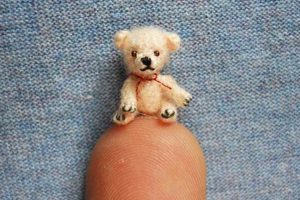
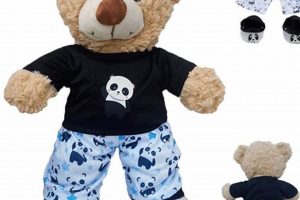
Creating stuffed toys, particularly those resembling bears, often involves the use of pre-designed patterns. These patterns, typically printed on paper or available digitally, provide a guide for cutting fabric pieces that are then sewn together to form the three-dimensional shape. This method offers a structured approach to soft toy construction, ensuring consistent results and simplifying the process for both novice and experienced crafters. An example would be a printable design outlining the body, limbs, head, and ears of a classic teddy bear.
Utilizing such patterns offers significant advantages. It allows for precision in cutting fabric, reducing waste and ensuring symmetrical shapes. This process streamlines construction, saving time and effort. Furthermore, pre-designed patterns enable crafters of varying skill levels to achieve professional-looking results. Historically, these patterns have played a vital role in the widespread popularity of handcrafted toys, democratizing the craft and making it accessible to a broader audience. They contributed to the standardization of certain toy designs, like the ubiquitous teddy bear, solidifying their iconic status.
This article will explore various aspects of this craft, including selecting appropriate fabrics, understanding pattern terminology, and employing essential sewing techniques. It will also address common challenges encountered during the creation process and offer solutions for achieving a polished, professional finish.
Tips for Crafting with Patterns
This section offers practical guidance for effectively utilizing patterns in the creation of stuffed toys.
Tip 1: Accurate Pattern Transfer
Precise transfer of pattern markings onto fabric is crucial. Employing tracing paper and a tracing wheel ensures accurate reproduction of all lines and notches. Alternatives include tailor’s chalk or fabric markers, though their visibility can vary depending on the fabric chosen.
Tip 2: Appropriate Fabric Selection
Fabric choice significantly impacts the final result. Durable, soft materials like mohair, plush, or fleece are recommended. Consider the desired texture and appearance when selecting materials, ensuring suitability for the intended design.
Tip 3: Seam Allowance Consistency
Maintaining a consistent seam allowance is critical for proper assembly. Adhering to the pattern’s specified seam allowance ensures correct piece alignment and prevents size discrepancies. Precise cutting and sewing contribute to a professional finish.
Tip 4: Strategic Clipping and Notching
Curved seams require clipping and notching to allow the fabric to lie smoothly after turning. Clipping involves small cuts into the seam allowance of outward curves, while notching removes small triangles from inward curves. This process prevents bunching and ensures a clean, contoured shape.
Tip 5: Proper Turning Techniques
Turning sewn pieces right-side out can be challenging. Employing tools like a turning stick or hemostats aids in navigating tight corners and achieving a smooth, even finish. Patience and careful manipulation prevent fabric stress and damage.
Tip 6: Strategic Stuffing Techniques
Even stuffing distribution is essential for achieving the desired shape and feel. Employing small amounts of stuffing material at a time and using tools to reach into narrow appendages ensures consistent firmness and prevents lumpiness. Fiberfill or other suitable stuffing materials provide a soft, resilient finish.
Adherence to these guidelines facilitates successful project completion, resulting in well-constructed, aesthetically pleasing stuffed toys.
This information provides a solid foundation for embarking on pattern-based crafting endeavors.
1. Pattern Selection

Pattern selection represents a foundational step in teddy bear creation. The chosen pattern dictates the final form, size, and complexity of the bear. A simple pattern yields a basic, classic teddy bear form, suitable for beginners. More complex patterns incorporate intricate details, such as articulated limbs, detailed facial features, or unique body shapes, presenting a challenge for more experienced crafters. This choice directly influences the required skill level, construction time, and overall aesthetic of the finished product. For example, a pattern featuring gussets in the limbs produces a more poseable bear, while a simpler, single-piece limb pattern results in a more traditional, less flexible form. Careful consideration of the desired outcome informs appropriate pattern selection.
The pattern also determines the necessary materials and techniques. A pattern featuring intricate embroidery details necessitates embroidery floss and corresponding skills. Patterns designed for specific fabrics, like mohair or faux fur, influence material selection and may require specialized sewing techniques. Furthermore, the pattern’s complexity impacts the time investment. A simple pattern may require only a few hours of work, whereas a complex, multi-piece pattern can demand several days. This connection between pattern selection and project scope necessitates careful planning and realistic expectations regarding skill level and time commitment.
In summary, effective pattern selection lays the groundwork for a successful teddy bear project. Analyzing pattern complexity, considering desired features, and evaluating required skills facilitates a smooth creation process. Appropriate pattern selection, based on skill level and project goals, enhances the likelihood of achieving a satisfying and well-crafted finished product. This understanding empowers crafters to make informed decisions, aligning project scope with available resources and expertise.
2. Fabric Choice

Fabric selection significantly impacts the final aesthetic, durability, and tactile qualities of a completed teddy bear. Appropriate fabric choice depends on the intended use, desired appearance, and the specific requirements of the chosen pattern. This aspect of the crafting process warrants careful consideration to ensure the final product aligns with the creator’s vision.
- Texture and Appearance
The fabric’s texture contributes significantly to the bear’s character. Plush fabrics like mohair or alpaca create a luxurious, classic teddy bear feel. Shorter pile fabrics, such as fleece or velveteen, offer a smooth, modern aesthetic. Patterned fabrics introduce visual interest, while textured materials like corduroy add a tactile dimension. Fabric texture influences perceived softness, visual appeal, and overall design aesthetic.
- Durability and Longevity
Fabric durability directly impacts the bear’s lifespan. Tightly woven fabrics resist wear and tear, making them suitable for children’s toys. Delicate fabrics, such as silk or vintage textiles, require more careful handling and are better suited for display or gentle play. Fabric durability should align with the bear’s intended purpose, ensuring longevity and continued enjoyment.
- Ease of Sewing
The fabric’s weight and weave affect its manageability during the sewing process. Lightweight, loosely woven fabrics can be challenging to sew accurately, potentially leading to seam puckering or stretching. Heavier, more stable fabrics offer greater control during construction. Fabric choice should consider the crafter’s skill level and the chosen pattern’s complexity to ensure ease of construction and a polished finished product.
- Maintenance and Care
Different fabrics require specific cleaning methods. Machine-washable fabrics offer convenience for frequently handled toys. Delicate fabrics may require hand washing or dry cleaning, necessitating more specialized care. Fabric choice should consider the intended recipient and anticipated usage patterns, ensuring ease of cleaning and maintenance.
Careful consideration of these factors ensures a harmonious relationship between the chosen fabric and the overall design, impacting the final product’s aesthetic, durability, and longevity. Selecting appropriate materials enhances the crafting experience, simplifies construction, and contributes to a successful and satisfying outcome. The interplay between fabric choice and the other elements of teddy bear construction underscores the importance of this decision in achieving the desired result.
3. Precise Cutting

Precise cutting is fundamental to successful teddy bear template sewing. Accuracy in this stage ensures proper alignment of pattern pieces, impacting the final shape, symmetry, and overall quality of the finished bear. Deviation from accurate cutting can lead to mismatched seams, distorted features, and a less professional appearance. This foundational step sets the stage for subsequent construction phases and significantly influences the final outcome.
- Pattern Alignment on Fabric Grain
Correct alignment of the pattern pieces on the fabric’s grain ensures the finished bear drapes and hangs correctly. The fabric grain refers to the direction of the threads in the woven material. Aligning pattern pieces with the grain, typically parallel to the selvage edge, prevents stretching, twisting, or warping of the finished piece. Ignoring grain direction can result in a misshapen bear with uneven seams and compromised structural integrity. For example, aligning the bear’s body pieces with the lengthwise grain provides stability and prevents unwanted stretching, while using the crosswise grain for smaller parts like ears allows for subtle curves and shaping.
- Accurate Cutting along Pattern Lines
Meticulous cutting along the designated pattern lines ensures correctly sized pieces and precise seam allowances. Deviation from these lines, even by small margins, can accumulate and lead to noticeable size discrepancies, impacting the fit and symmetry of the finished bear. Using sharp scissors dedicated to fabric cutting and following the pattern lines precisely ensures clean edges and accurate piece dimensions. For example, imprecise cutting of the head gussets can result in a head that is too large or too small, affecting the overall proportions of the bear.
- Marking Notches and other Pattern Markings
Transferring notches and other pattern markings accurately onto the fabric pieces is crucial for proper alignment during sewing. Notches indicate seam matching points, while other markings may denote dart placement, pleats, or embroidery locations. Accurate transfer of these markings ensures correct piece assembly, preventing misalignment and contributing to a smoothly constructed final product. Using a tracing wheel and transfer paper or tailor’s tacks ensures precise transfer of these critical markings. For example, inaccurately marked notches on the leg seams can lead to uneven leg lengths and an unbalanced finished bear.
- Optimizing Fabric Usage
Efficiently arranging pattern pieces on the fabric minimizes waste and maximizes material usage. Careful planning and strategic placement, especially when working with limited fabric quantities, can significantly reduce waste. Folding the fabric strategically and arranging pieces close together conserves material and potentially allows for the creation of additional elements, such as accessories or clothing for the bear. This efficient approach optimizes material utilization and contributes to a cost-effective crafting process.
These precise cutting practices contribute directly to the overall quality and appearance of the finished teddy bear. Accurate cutting ensures proper piece alignment, minimizes construction challenges, and ultimately enhances the final product. These combined efforts transform flat pattern pieces into a well-constructed, three-dimensional form, showcasing the importance of precise cutting in teddy bear template sewing.
4. Careful Sewing
Careful sewing forms the backbone of successful teddy bear template sewing, transforming individual fabric pieces into a cohesive, three-dimensional form. Precision and attention to detail in this stage directly influence the final product’s structural integrity, aesthetic appeal, and overall durability. A thorough understanding of sewing techniques and their application contributes significantly to a well-crafted and enduring teddy bear.
- Seam Allowance Consistency
Maintaining a consistent seam allowance, as specified by the pattern, is crucial for proper piece alignment and the intended final dimensions. Consistent seams ensure the bear’s features align correctly and prevent discrepancies in size or shape. For example, inconsistent seam allowances when joining the head gussets can result in a misshapen head. Consistent seam allowances throughout the construction process contribute to a polished, professional appearance.
- Seam Strength and Durability
Strong, secure seams are essential for a durable and long-lasting teddy bear. Reinforced seams, particularly in high-stress areas like limb attachments, withstand repeated handling and play. Techniques such as backstitching at the beginning and end of seams or using a slightly shorter stitch length in critical areas strengthen the construction and enhance the bear’s longevity. A securely sewn bear withstands regular use and maintains its structural integrity over time.
- Clean Seam Finishes
Neat seam finishes contribute to a professional appearance and prevent fraying or unraveling. Techniques such as pinking shears, zigzag stitching, or serging create clean edges and enhance the interior construction’s neatness. Clean seam finishes not only improve the aesthetic appeal but also prevent loose threads from accumulating within the bear, maintaining a tidy interior and preventing potential choking hazards for young children.
- Hidden Seams and Closures
Invisible seams and concealed closures, such as ladder stitch or mattress stitch, create a seamless, polished exterior. These techniques minimize visible stitching, enhancing the bear’s aesthetic appeal and contributing to a professional finish. For example, using a ladder stitch to close the opening used for turning and stuffing creates an almost invisible closure, enhancing the bear’s overall appearance. These techniques are particularly valuable for creating heirloom-quality bears with a refined finish.
Careful sewing techniques elevate teddy bear creation from a simple assembly process to an art form. Precise seams, secure attachments, and neat finishes contribute significantly to the final product’s quality, durability, and aesthetic appeal. These combined efforts transform individual fabric components into a cherished keepsake, reflecting the care and attention invested in its construction.
5. Strategic Stuffing

Strategic stuffing represents a crucial final stage in teddy bear template sewing, significantly influencing the finished product’s shape, feel, and overall aesthetic. It transcends merely filling the sewn form; it involves a considered approach to filling distribution, ensuring appropriate firmness, achieving desired contours, and ultimately bringing the bear to life. Effective stuffing techniques transform a sewn shell into a cuddly companion, highlighting the importance of this often-underestimated aspect of the craft.
- Even Distribution and Firmness
Uniform stuffing distribution is paramount for achieving a smooth, consistent feel and preventing lumpiness. Small amounts of stuffing material should be added incrementally, ensuring each section receives adequate filling. Appropriate firmness varies depending on the intended use and desired feel of the bear. A firmer stuffing creates a more structured, supportive form, while a softer fill yields a more pliable, cuddly companion. Achieving consistent firmness throughout the body ensures balanced weight distribution and prevents unsightly bulges or depressions. This meticulous approach to stuffing distribution contributes significantly to the bear’s overall quality and tactile appeal.
- Shaping and Contouring
Strategic stuffing allows for sculpting and defining the bear’s features, imbuing it with personality and charm. Specific areas, such as the head, muzzle, and limbs, can be shaped by varying the stuffing density. A firmer stuffing in the muzzle creates a well-defined snout, while less dense filling in the cheeks creates a softer, more rounded appearance. This nuanced approach to stuffing distribution transforms the bear from a simple sewn form into a characterful creation with distinct features. The ability to manipulate the stuffing material allows crafters to achieve a desired aesthetic, adding depth and dimension to the finished product.
- Material Selection and Compatibility
Choosing appropriate stuffing materials is crucial for achieving the desired feel, weight, and longevity of the bear. Traditional stuffing materials, such as polyester fiberfill, offer softness, resilience, and hypoallergenic properties. Natural fibers, like wool or cotton, provide a more traditional feel but may require specialized cleaning methods. The chosen material influences the bear’s weight, texture, and overall feel. Compatibility with the chosen fabric is also a factor; certain fabrics may require specific stuffing materials to prevent clumping or shifting. Careful consideration of these factors ensures the chosen stuffing complements the fabric and design, enhancing the final product’s tactile and aesthetic qualities.
- Tools and Techniques for Effective Stuffing
Utilizing appropriate tools enhances stuffing efficiency and precision. Stuffing tools, such as wooden dowels or turning sticks, aid in reaching narrow appendages and ensuring even filling distribution within tight spaces. These tools facilitate compacting the stuffing material and achieving the desired firmness in challenging areas. Specific techniques, like layering the stuffing or using small tufts of material for delicate features, enhance control over shaping and contouring. Employing these tools and techniques allows for precise stuffing placement and ensures consistent firmness throughout the bear, contributing to a professional finish and enhanced tactile appeal.
Strategic stuffing represents a critical juncture in teddy bear template sewing, where technical skill and artistic vision converge to imbue the creation with life and character. Mastering stuffing techniques elevates the craft, transforming flat fabric pieces into a treasured keepsake. The interplay between stuffing density, material selection, and shaping techniques underscores the importance of this final stage in achieving a well-crafted, aesthetically pleasing, and enduring teddy bear.
Frequently Asked Questions
This section addresses common inquiries regarding the creation of teddy bears from templates, offering practical insights and clarifying potential points of confusion.
Question 1: What type of fabric is best suited for teddy bear construction?
Mohair, plush, and fleece are popular choices due to their softness and durability. However, fabric selection depends on the desired aesthetic and intended use. Durable fabrics are recommended for children’s toys, while more delicate materials may be suitable for decorative bears.
Question 2: How important is precise cutting when using a template?
Precise cutting is crucial. Accurate cutting ensures proper piece alignment and affects the final shape and symmetry. Deviations can lead to mismatched seams and a less professional result.
Question 3: What seam allowance should one typically use?
The seam allowance is typically specified on the pattern itself. Adhering to this specified allowance ensures the intended size and proportions of the finished bear. Consistency in seam allowance is critical throughout the construction process.
Question 4: What are the essential tools for stuffing a teddy bear?
Essential tools include stuffing material (such as polyester fiberfill), a turning tool for navigating tight corners, and potentially a stuffing stick or chopstick for compacting the filling in smaller areas. These tools aid in achieving even distribution and desired firmness.
Question 5: How can one prevent lumpy or uneven stuffing?
Lumpy stuffing can be avoided by adding small amounts of filling at a time and evenly distributing it throughout the bear. Using a stuffing tool to reach into narrow appendages helps ensure uniform firmness and prevents clumping. Patience and attention to detail in this stage are key.
Question 6: Where can one find reliable teddy bear sewing patterns?
Reputable craft stores, online marketplaces, and dedicated teddy bear pattern websites offer various patterns. Selecting a pattern from a trusted source ensures clear instructions and well-drafted templates, increasing the likelihood of a successful project.
Addressing these common queries provides a comprehensive understanding of key aspects in teddy bear template sewing, enabling informed material selection, accurate construction, and successful project completion.
This concludes the frequently asked questions section. Further exploration of specific techniques and detailed instructions can be found in the following sections.
Conclusion
This exploration of teddy bear template sewing has highlighted the multifaceted nature of this craft, emphasizing the interplay between pattern selection, material choice, precise cutting, careful sewing, and strategic stuffing. Each element contributes significantly to the final product’s quality, aesthetic, and durability. Understanding the nuances of each stage, from pattern interpretation to final stuffing techniques, empowers crafters to achieve professional-looking results. The process necessitates attention to detail, patience, and a commitment to precision, transforming flat fabric pieces into cherished three-dimensional companions.
The enduring popularity of handcrafted teddy bears underscores the significance of this craft. Whether intended as a cherished childhood toy, a decorative element, or a heartfelt gift, a meticulously crafted teddy bear embodies time, skill, and dedication. The ability to create such a tangible embodiment of comfort and companionship through template sewing ensures the continuation of a beloved tradition. Continued exploration and refinement of these techniques promise further evolution of this timeless craft.