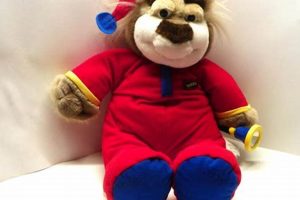
Small, decorative grave markers often shaped like stuffed animals, typically bears, are frequently placed on the graves of children. These markers serve as poignant reminders of the lost child’s innocence and the enduring love of those left behind. They often accompany traditional headstones, adding a personal touch to the gravesite.
These diminutive memorials offer a comforting presence for grieving families, providing a tangible symbol of their cherished memories. They create a focal point for remembrance and reflection, offering a less formal and more approachable way to interact with the gravesite, especially for other children. Historically, the practice of adorning graves with symbolic objects reflects a deeply human need to personalize the final resting place of loved ones. In this context, these symbolic markers become a modern expression of this age-old tradition, specifically tailored to address the profound loss of a young life.
The following sections explore the cultural significance of these personalized memorials, their evolving designs, and the diverse materials used in their creation, offering a deeper understanding of their role in mourning and remembrance.
Tips for Choosing and Placing Child Grave Markers
Selecting and placing a fitting tribute for a child requires careful consideration. The following tips offer guidance for navigating this sensitive process.
Tip 1: Consider the Child’s Personality: Reflect on the child’s favorite toys, colors, and interests. A personalized marker reflecting these passions creates a more meaningful tribute.
Tip 2: Choose Durable Materials: Opt for weather-resistant materials designed to withstand outdoor elements, ensuring the memorial remains in good condition over time. Bronze, resin, and granite are suitable choices.
Tip 3: Check Cemetery Regulations: Contact the cemetery administration to inquire about specific rules and restrictions regarding marker size, placement, and permitted materials.
Tip 4: Explore Customization Options: Many artisans offer personalized engravings, allowing for the inclusion of the child’s name, dates, or a short, meaningful message.
Tip 5: Consider Future Maintenance: Select a marker that requires minimal upkeep. Smooth surfaces are easier to clean and maintain than intricate designs.
Tip 6: Think Long-Term: Recognize that the chosen memorial will serve as a lasting tribute. Choose a design that will remain appropriate and comforting over the years.
Tip 7: Seek Support and Guidance: Grief counselors, support groups, and cemetery staff can offer valuable assistance and emotional support during the decision-making process.
Careful consideration of these factors helps ensure a fitting and enduring tribute that honors the child’s memory and provides solace to grieving families.
These considerations provide a starting point for families navigating the difficult task of selecting a memorial. The following conclusion offers further reflection on the importance of commemoration and remembrance.
1. Child's Grave

The death of a child represents a profound loss, and the grave site becomes a focal point for grieving families. Unlike adult graves, a child’s grave often reflects the innocence and brevity of the life lost. “Teddy bear tombstones,” and similar personalized markers, play a significant role in creating a comforting and age-appropriate space for remembrance within this specific context.
- Markers of Innocence:
Traditional headstones can appear stark and impersonal, especially for a child. Softer, more personalized markers, such as teddy bear statues, create a gentler atmosphere, reflecting the child’s innocence. These markers often incorporate bright colors, familiar characters, and playful elements, creating a less somber environment for grieving families and friends.
- Focal Points for Grief:
A child’s grave becomes a dedicated space for families to express their grief and maintain a connection with their lost child. Personalized markers provide a tangible focal point for these expressions of love and remembrance. Parents might leave small toys, flowers, or handwritten notes at the base of the statue, creating an evolving memorial that reflects their ongoing relationship with their child.
- Creating a Child-Friendly Space:
Cemeteries can be intimidating places for children, particularly when mourning the loss of a sibling or friend. The presence of familiar and comforting objects, like teddy bear statues, can make the environment more approachable and less frightening, allowing children to engage with the space in a way that feels natural and appropriate for their age.
- Expressions of Individuality:
While adhering to cemetery regulations, families often personalize children’s graves to reflect the child’s unique personality and interests. A teddy bear tombstone might depict the child’s favorite animal, hold a miniature version of a beloved toy, or be painted in the child’s favorite colors. This personalization transforms the grave into a unique and deeply meaningful tribute to the individual child.
These facets highlight the integral role of personalized markers, such as “teddy bear tombstones,” in creating a comforting and meaningful space for remembrance at a child’s grave. These markers offer a tangible expression of grief and love, transforming a potentially austere environment into a place of solace and ongoing connection.
2. Small Statue

The “small statue” component of a “teddy bear tombstone” constitutes a crucial aspect of its significance. These statues, typically depicting teddy bears or other child-friendly figures, serve a distinct purpose beyond mere decoration, transforming a gravesite into a more personalized and comforting space. Examining the facets of these small statues provides further insight into their role in remembrance and mourning.
- Tangible Comfort:
The physical presence of a small statue offers a tangible source of comfort for grieving families. The soft, familiar form of a teddy bear, for instance, can evoke feelings of warmth and security, providing a comforting presence at the gravesite. This tangible element allows mourners a focal point for their grief and a way to connect with the memory of the deceased child.
- Personalized Symbolism:
Small statues offer an opportunity for personalization, reflecting the individual child’s personality and interests. A statue might depict a favorite animal, character, or hobby, transforming the gravesite into a more personalized tribute. This individualized approach helps create a memorial that truly reflects the unique life and spirit of the child.
- Non-Verbal Communication:
The statue serves as a form of non-verbal communication, expressing love, loss, and remembrance. The image of a teddy bear, often associated with childhood innocence and comfort, speaks volumes without the need for words. This visual language allows for a powerful expression of grief that transcends verbal limitations.
- Creating a Child-Friendly Space:
The presence of a small, child-friendly statue can make a cemetery, often perceived as a somber and intimidating place, feel more approachable for younger visitors. The familiar imagery can help children process their grief and engage with the space in a way that feels less frightening and more appropriate for their developmental stage.
These facets demonstrate the multifaceted role of the “small statue” in the overall meaning of a “teddy bear tombstone.” More than mere ornamentation, these figures offer tangible comfort, personalized symbolism, and a child-friendly presence, contributing significantly to the memorialization of a young life.
3. Comforting Symbol

The “teddy bear tombstone” derives significant meaning from its function as a comforting symbol. Positioned within the context of grief and loss, particularly the death of a child, the comforting symbolism takes on a crucial role in providing solace and facilitating the grieving process. Understanding this symbolism requires examining its various facets.
- Association with Childhood:
Teddy bears are universally recognized symbols of childhood, innocence, and comfort. Their soft, cuddly forms evoke feelings of warmth and security, often associated with happy memories and a sense of protection. In the context of a child’s grave, the teddy bear symbolizes these comforting aspects of childhood, offering a poignant reminder of the lost innocence and the enduring love of those left behind. A worn teddy bear, for example, can represent the cherished companionship the child experienced during their life.
- Tangible Representation of Love:
The physical presence of a teddy bear statue offers a tangible representation of love and affection for the deceased child. This tangible element provides a focal point for grief, allowing mourners to express their emotions and maintain a connection with their lost loved one. Leaving a small, fresh bouquet of flowers in the teddy bear’s paws, for instance, signifies ongoing love and remembrance.
- Focus for Remembrance:
The teddy bear statue serves as a focus for remembrance, providing a comforting object onto which mourners can project their memories and emotions. The familiar image of the teddy bear can evoke specific memories of the child, fostering a sense of continued connection and allowing for reflection on the life lived. A personalized teddy bear, perhaps wearing a miniature version of the child’s favorite outfit, reinforces this individualized remembrance.
- Source of Solace in Grief:
In the midst of profound grief, the comforting symbolism of the teddy bear can offer a small measure of solace. Its presence at the gravesite creates a gentler, more approachable atmosphere, allowing mourners to grieve in a way that feels less formal and more personal. The teddy bear’s comforting symbolism can provide a sense of peace and acceptance, helping individuals navigate the complex emotions associated with loss.
These facets of comforting symbolism contribute significantly to the overall meaning and purpose of the “teddy bear tombstone.” By invoking feelings of childhood innocence, tangible love, focused remembrance, and solace in grief, the teddy bear transforms a gravesite into a space of comfort and enduring connection, aiding families in their journey through mourning and remembrance.
4. Personalization
Personalization forms a cornerstone of the “teddy bear tombstone” concept, transforming a generic symbol into a unique and deeply meaningful tribute. This personalization stems from a fundamental human need to individualize expressions of grief and remembrance, particularly concerning the loss of a child. It allows families to create a memorial that reflects the specific personality, interests, and cherished memories associated with their loved one. For instance, a family might choose a teddy bear wearing a miniature replica of the child’s favorite sports jersey, effectively linking the comforting symbolism of the bear with the child’s individual passion. Similarly, engraving the bear’s base with the child’s name, birthdate, and a short, personal message transforms the marker into a singular expression of love and remembrance.
The impact of personalization extends beyond mere aesthetics. It creates a stronger emotional connection between the bereaved and the memorial, fostering a more profound sense of closeness and continued connection with the deceased. A personalized teddy bear holding a miniature version of the child’s favorite toy becomes more than just a grave marker; it becomes a tangible representation of cherished memories and shared experiences. This personalized approach transforms the act of visiting the gravesite into a more personal and meaningful experience, allowing families to interact with the memorial in a way that feels uniquely relevant to their relationship with the child. This focus on individualization reflects a broader cultural shift toward personalized mourning practices, moving away from standardized memorials towards expressions that celebrate the unique life of the individual.
Personalization, therefore, represents a crucial aspect of the “teddy bear tombstone” tradition. It transforms a generic symbol into a powerful expression of individual remembrance, fostering deeper emotional connections and facilitating a more personalized grieving process. This understanding underscores the importance of offering families opportunities for customization when choosing memorials, empowering them to create tributes that genuinely reflect the unique lives and personalities of their lost loved ones. This approach ultimately contributes to a more meaningful and individualized experience of grief and remembrance, acknowledging the specific bond between the bereaved and the deceased child.
5. Grief Expression

The “teddy bear tombstone” serves as a powerful vehicle for grief expression, particularly in the context of child loss. Traditional mourning rituals often fall short in addressing the unique emotional needs surrounding the death of a child. These personalized memorials offer an alternative avenue for expressing grief, providing a tangible focus for complex emotions. The act of selecting a specific teddy bear, perhaps one resembling a beloved toy, becomes an act of remembrance in itself. Placing the bear on the grave, often accompanied by flowers, toys, or handwritten notes, becomes a ritualized expression of love and loss. This personalized approach allows grieving families to create a memorial that reflects their unique relationship with the child, fostering a sense of continued connection and offering a tangible outlet for intense emotions. For example, a family might choose a teddy bear dressed in the child’s favorite outfit, transforming the memorial into a powerful symbol of the child’s personality and the family’s enduring love.
The practical significance of understanding this connection lies in recognizing the diverse ways individuals process grief. The “teddy bear tombstone” offers a less formal, more emotionally accessible form of mourning, particularly beneficial for children struggling to comprehend death. The familiar image of a teddy bear provides comfort and reassurance, while the act of interacting with the memorialleaving flowers, whispering messages, or simply touching the bearallows for a tangible expression of grief. This approach acknowledges the multifaceted nature of mourning and the importance of providing individualized avenues for emotional expression. Recognizing the “teddy bear tombstone” as a valid form of grief expression validates the emotional experiences of bereaved families and encourages a more compassionate approach to supporting those navigating the complexities of child loss. This understanding also emphasizes the need for flexible and personalized mourning practices within various cultural and religious contexts.
In conclusion, the “teddy bear tombstone” facilitates grief expression by offering a personalized, tangible, and emotionally accessible outlet for mourning, particularly pertinent in cases of child loss. Understanding this connection encourages a more nuanced and compassionate approach to supporting bereaved families, recognizing the importance of individualized expressions of grief within the broader context of mourning and remembrance. This awareness promotes the development of more inclusive and supportive bereavement practices, ultimately aiding families in navigating the difficult journey through grief and towards healing.
6. Lasting Tribute
The concept of a “lasting tribute” is central to the significance of the “teddy bear tombstone.” These markers represent more than temporary expressions of grief; they serve as enduring memorials designed to withstand the passage of time. This permanence reflects the enduring nature of parental love and the desire to create a lasting connection with the deceased child. Materials like weather-resistant resin or granite ensure the physical longevity of the memorial, while the symbolic representation of the teddy bear embodies the timeless nature of childhood innocence and comforting presence. For example, a granite teddy bear statue engraved with the child’s name and dates creates a permanent marker within the cemetery landscape, offering a lasting focal point for remembrance across generations. This enduring presence allows future family members, who may not have known the child personally, to connect with their family history and honor the memory of the lost loved one.
The enduring nature of these tributes also facilitates the ongoing process of grief and healing. While initial expressions of grief may lessen over time, the “teddy bear tombstone” provides a constant reminder of the child’s life and the love shared. This permanent presence allows for continued reflection and remembrance, offering a place of solace and connection for years to come. The act of visiting the gravesite and interacting with the memorialcleaning the statue, leaving flowers, or simply pausing for a moment of reflectionbecomes a ritualized expression of enduring love and remembrance. This ongoing interaction reinforces the lasting bond between the bereaved and the deceased child, providing comfort and support throughout the grieving process, even decades later. The “teddy bear tombstone,” therefore, becomes more than just a static object; it transforms into a dynamic element within the ongoing narrative of family history and remembrance.
In summary, the concept of a “lasting tribute” is integral to understanding the significance of the “teddy bear tombstone.” These memorials offer not only a physical marker of remembrance but also a symbolic representation of enduring love and connection. Their permanence facilitates the ongoing process of grief and healing, providing a lasting focal point for remembrance across generations. Recognizing this connection underscores the profound emotional value of these personalized memorials and their role in supporting bereaved families in their long-term journey through grief and towards healing.
Frequently Asked Questions
This section addresses common inquiries regarding the use and selection of personalized grave markers, specifically those designed for children’s graves.
Question 1: Are these types of memorials permitted in all cemeteries?
Regulations vary between cemeteries. Contacting the cemetery administration beforehand is essential to determine specific rules regarding marker types, sizes, and placement.
Question 2: What materials are typically used for these markers?
Common materials include weather-resistant resin, bronze, granite, and stone. Material selection impacts durability, cost, and aesthetic considerations.
Question 3: Can these markers be personalized?
Many providers offer personalization options, such as engraving names, dates, or short messages. Custom designs incorporating specific interests or hobbies are also often available.
Question 4: How should one choose an appropriate marker?
Consider the child’s personality, interests, and the family’s preferences. Reflecting on cherished memories can guide the selection process.
Question 5: What is the typical cost of such a memorial?
Costs vary significantly based on material, size, design complexity, and personalization options. Obtaining quotes from multiple providers is recommended.
Question 6: How are these markers maintained?
Maintenance requirements depend on the chosen material. Generally, periodic cleaning with gentle, non-abrasive methods is sufficient to preserve the marker’s appearance.
Careful consideration of these factors aids in selecting and maintaining an appropriate and meaningful memorial. These FAQs offer practical guidance for navigating the decision-making process, ensuring a fitting tribute that honors the child’s memory.
The following section explores further considerations regarding memorialization and remembrance.
Conclusion
This exploration of small, personalized grave markers, often featuring teddy bear figures, has illuminated their multifaceted significance. These markers offer a unique approach to memorializing children, providing comfort, personalization, and a tangible focus for grief. Their symbolic representation of childhood innocence and enduring love transforms a gravesite into a place of solace and remembrance. The ability to personalize these memorials further enhances their meaning, allowing families to create tributes that reflect the unique life and personality of each child. Examining their historical context, material considerations, and evolving designs provides valuable insights into their enduring role in mourning practices.
The enduring presence of these personalized memorials serves as a testament to the enduring power of love and remembrance in the face of loss. They offer a tangible link to the past, fostering continued connection and providing comfort across generations. Further exploration of individualized memorialization practices remains crucial for understanding how societies address grief and commemorate life, particularly the lives of children. Encouraging open dialogue about death and memorialization promotes compassionate support for bereaved families and fosters a deeper understanding of the complex emotions surrounding loss.