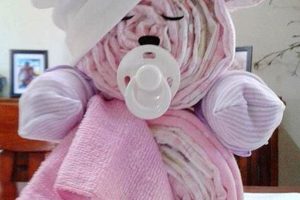
The Spanish word for “teddy bear” is osito de peluche. Osito means “little bear” (the diminutive of oso, “bear”), and de peluche signifies “made of plush” or “stuffed.” While less common, peluche can also be used on its own to refer to a stuffed toy. For example, one might say, “Me regalaron un peluche para mi cumpleaos” (They gave me a stuffed animal for my birthday).
The term reflects a cross-cultural exchange, as the concept of the teddy bear originated in the early 20th century, simultaneously in both the United States and Germany. The widespread popularity of these toys led to their adoption across languages and cultures. Knowing the correct terminology allows for clear communication and demonstrates cultural sensitivity when discussing toys, gifts, or childhood memories in a Spanish-speaking context. It’s particularly relevant for those working in international commerce, translation, education, or simply interacting with Spanish speakers.
Understanding the nuances of specific vocabulary, such as this term, enhances communication and fosters deeper cross-cultural understanding. This exploration of terminology can be further extended to related topics, such as children’s literature, popular culture, and the toy industry in Spanish-speaking countries.
Tips for Using “Osito de Peluche” and Related Terms
Effectively incorporating the Spanish term for “teddy bear” and related vocabulary enhances communication and demonstrates cultural sensitivity. The following tips provide practical guidance for usage.
Tip 1: Context Matters: While osito de peluche is generally understood, peluche alone might refer to any stuffed animal. Consider the specific context to ensure clarity.
Tip 2: Diminutive Use: Using osito (little bear) adds a touch of endearment, suitable for conversations about children or cherished possessions.
Tip 3: Gender Agreement: Remember that oso (bear) is masculine, impacting the use of articles and adjectives (e.g., el osito marrn – the brown teddy bear).
Tip 4: Plural Forms: The plural is ositos de peluche or peluches.
Tip 5: Regional Variations: Be aware that slight variations might exist across different Spanish-speaking regions. Consulting regional dictionaries or native speakers can be helpful.
Tip 6: Formal vs. Informal: While both terms are generally acceptable, osito de peluche might be perceived as slightly more informal than peluche.
Tip 7: Beyond Toys: The term can be metaphorically used to describe something soft, cuddly, or comforting.
Accurate usage of these terms facilitates clearer communication and strengthens intercultural understanding when discussing topics related to childhood, toys, or gifts in a Spanish-speaking context.
By understanding these practical tips, one can confidently navigate conversations and written communication related to teddy bears and stuffed animals in Spanish.
1. Translation

The translation “osito de peluche” represents the most accurate and comprehensive rendering of “teddy” in Spanish when referring to the stuffed toy. While “peluche” alone can signify a plush toy, “osito de peluche” specifically denotes a teddy bear, incorporating the diminutive “osito” (little bear) to capture the inherent endearment associated with these toys. This precision is crucial for effective communication, ensuring that the intended meaninga classic teddy bearis conveyed without ambiguity.
Consider a scenario involving international toy sales. A product description simply stating “peluche” might encompass various stuffed animals. However, specifying “osito de peluche” clarifies the product as a traditional teddy bear, preventing misunderstandings and ensuring customer satisfaction. Similarly, in children’s literature translated into Spanish, employing “osito de peluche” maintains the original sentiment and cultural context associated with the teddy bear character. This nuanced translation respects cultural sensitivities and enhances the overall understanding of the narrative.
Therefore, “osito de peluche” serves as a vital component of understanding “teddy” in Spanish. It underscores the importance of accurate translation in cross-cultural communication, particularly in contexts like commerce, literature, and everyday conversation. This precision avoids misinterpretations and facilitates a deeper understanding of cultural nuances associated with childhood, toys, and expressions of affection. The correct translation enables effective communication and fosters genuine intercultural understanding by preserving the intended meaning and emotional resonance of the term.
2. Alternative

While osito de peluche provides a precise translation for “teddy bear,” peluche offers a widely understood alternative within Spanish-speaking contexts. Exploring this alternative reveals its versatility and nuances, enriching the understanding of how “teddy” is conceptualized and expressed in Spanish. Examining the facets of peluche illuminates its relationship to osito de peluche and broadens the comprehension of stuffed toy terminology.
- General Plush Toys:
Peluche, on its own, encompasses a wider range of stuffed toys beyond the traditional teddy bear. It serves as a generic term for any plush toy, regardless of animal type or specific design. For instance, a plush rabbit or a stuffed unicorn would both be categorized as a peluche. This distinction is crucial for understanding that while all teddy bears are peluches, not all peluches are teddy bears.
- Contextual Disambiguation:
The intended meaning of peluche often relies on context. If someone mentions receiving a peluche as a gift, further clarification might be necessary to determine the specific type of stuffed toy. However, within a conversation explicitly about teddy bears, peluche could readily be understood as a shortened form of osito de peluche. This contextual dependence highlights the importance of considering the surrounding conversation when interpreting the term.
- Regional Variations:
Usage and understanding of peluche might vary slightly across different Spanish-speaking regions. In some regions, it may be more common to use peluche as a general term for stuffed toys, while in others, more specific terms like osito de peluche might be preferred. Understanding these regional variations is valuable for clear communication and demonstrates cultural sensitivity.
- Material Emphasis:
The word peluche inherently emphasizes the material composition of the toynamely, its plush or soft fabric. This focus underscores the tactile and comforting nature of these objects, aligning with the emotional significance often associated with stuffed animals, particularly for children. This nuance adds another layer of understanding to the term, beyond simply denoting the toy itself.
Considering peluche alongside osito de peluche provides a more complete picture of how “teddy” is understood in Spanish. The broader application of peluche to various stuffed toys emphasizes the contextual importance of distinguishing between a general plush toy and a specific teddy bear. Recognizing this nuanced relationship enhances communication and demonstrates cultural awareness when discussing stuffed toys in Spanish. This exploration contributes to a richer understanding of the terminology and its cultural implications within the Spanish-speaking world.
3. Literal meaning

The literal meaning, “little plush bear,” provides a fundamental understanding of “teddy in Spanish.” Analyzing the term osito de peluche reveals the direct correlation between its components and the concept of a small, stuffed bear. Osito, the diminutive of oso (bear), conveys the small size often associated with these toys, while de peluche specifies the plush or stuffed material. This direct translation helps clarify why osito de peluche is the most accurate equivalent of “teddy bear.” This literal meaning is crucial for those learning Spanish or engaging in translation, ensuring precise communication. For example, in a bilingual children’s book, understanding the literal meaning facilitates accurate translation and helps maintain the intended emotional connection with the character of a teddy bear.
Furthermore, the literal meaning also informs the cultural understanding of teddy bears in Spanish-speaking communities. The diminutive form osito often signifies affection and endearment, similar to the English use of “teddy” as a nickname. This emotional connotation highlights the cultural significance of teddy bears as childhood companions and symbols of comfort. For instance, a Spanish-speaking parent might refer to their child’s teddy bear as mi osito (“my little bear”), demonstrating affection and reinforcing the toy’s emotional value. This understanding is crucial for anyone interacting with Spanish speakers, particularly in contexts involving children or family dynamics.
In summary, the literal meaning of “little plush bear” serves as a cornerstone for understanding “teddy in Spanish.” It allows for accurate translation, facilitates cross-cultural communication, and provides insights into the emotional and cultural significance of teddy bears within Spanish-speaking communities. This understanding is paramount for clear communication and cultural sensitivity, bridging linguistic and cultural gaps and fostering genuine intercultural understanding. This extends beyond simple vocabulary acquisition to encompass a deeper appreciation for the cultural nuances embedded within language.
4. Grammatical gender

The grammatical gender of “teddy” in Spanish plays a crucial role in sentence construction and agreement. Because the primary translation, osito de peluche, centers around the noun osito (little bear), which is masculine, subsequent articles, adjectives, and pronouns must align with this masculine gender. Understanding this grammatical principle is essential for accurate and natural-sounding Spanish communication related to teddy bears.
- Definite Articles:
The definite article used with osito is el (the). One would say el osito de peluche, never la osito de peluche. This seemingly small detail is fundamental to grammatically correct Spanish.
- Adjective Agreement:
Adjectives describing the teddy bear must also take the masculine form. For example, “the brown teddy bear” is el osito marrn, with marrn (brown) in its masculine form. Similarly, “the big teddy bear” would be el osito grande, using the masculine form of grande (big).
- Possessive Pronouns:
Possessive pronouns, like mi (my), tu (your), su (his/her/its/their), agree in gender and number with the noun they modify. When referring to a teddy bear, the masculine form of the pronoun is used. For example, “my teddy bear” is mi osito de peluche.
- Demonstrative Pronouns:
Demonstrative pronouns, like este (this), ese (that), and aquel (that over there), also have masculine forms. When referring to a teddy bear, the appropriate masculine form would be used. “This teddy bear” translates to este osito de peluche. Using the feminine or plural forms would be grammatically incorrect.
The masculine gender of osito influences all related grammatical elements, ensuring agreement throughout the sentence. This grammatical principle is not arbitrary; it’s a fundamental aspect of Spanish syntax, essential for clear communication. Mastering this aspect of grammar is crucial for anyone wishing to speak or write accurately about teddy bears or other masculine nouns in Spanish. This grammatical accuracy strengthens communication by ensuring clarity and demonstrating respect for the nuances of the Spanish language. Moreover, it facilitates more natural and fluid communication, integrating seamlessly within the framework of Spanish grammar.
5. Cultural significance

The cultural significance of “teddy in Spanish,” encompassing both osito de peluche and peluche, extends beyond mere vocabulary. These terms represent a tangible link to childhood comfort and emotional security within Spanish-speaking cultures. Exploring this connection provides valuable insights into the role of these beloved toys in childhood development, emotional expression, and cultural traditions. This exploration deepens understanding and fosters cross-cultural appreciation.
- Emotional Support:
Like their counterparts in other cultures, teddy bears in Spanish-speaking communities serve as important sources of emotional support for children. They offer a sense of security, companionship, and comfort, especially during times of stress, fear, or loneliness. A child might cling to their osito de peluche during a thunderstorm or bring it along for comfort when sleeping away from home. This reflects a universal human need for emotional support, embodied in the tangible form of a soft, cuddly toy.
- Gift-Giving Traditions:
Teddy bears frequently feature in gift-giving traditions surrounding births, birthdays, and holidays within Spanish-speaking cultures. Presenting a child with an osito de peluche signifies care, affection, and a wish for the child’s well-being. This practice reinforces the cultural association of teddy bears with love, nurturing, and positive emotional development. The act of gifting a teddy bear transcends the material object itself, becoming a symbolic gesture of emotional connection.
- Language and Expression:
The use of the diminutive osito adds a layer of endearment, reflecting the affectionate bond between a child and their teddy bear. Terms of endearment, such as mi osito (my little bear), further emphasize the emotional connection. These linguistic nuances provide insights into the cultural values surrounding childhood and the expression of affection. The language used to describe and interact with teddy bears underscores their emotional significance within the culture.
- Storytelling and Cultural Narratives:
Teddy bears appear in children’s stories, songs, and other cultural narratives in Spanish-speaking communities, reinforcing their symbolic importance. These narratives often portray teddy bears as loyal companions, confidants, and sources of comfort, perpetuating their positive cultural associations. This integration into cultural narratives further solidifies the teddy bear’s place as a cherished childhood companion and symbol of emotional security. The stories passed down through generations reflect and reinforce these cultural values.
In conclusion, “teddy in Spanish” transcends simple translation. The terms osito de peluche and peluche represent a rich tapestry of cultural significance, interwoven with childhood comfort, emotional expression, and shared traditions. Understanding these cultural nuances fosters deeper appreciation for the role of teddy bears in Spanish-speaking communities and highlights the universal human need for emotional connection and comfort, as embodied in these beloved toys. This exploration reveals the teddy bear not just as a plaything but as a symbol of comfort, love, and security, deeply embedded within the cultural fabric of Spanish-speaking societies.
6. Usage
The usage of “teddy in Spanish” as toys, gifts, and terms of endearment reflects deep cultural connections. This usage demonstrates the multifaceted role of osito de peluche and peluche within Spanish-speaking communities, extending beyond simple vocabulary. The practical application of these terms reveals their significance in childhood development, emotional expression, and social interaction. For example, a child receiving a peluche as a gift experiences not only the joy of a new toy but also the emotional reassurance and affection associated with the gesture. This transcends the material object, becoming a symbol of love and care.
Furthermore, the use of osito (little bear) as a term of endearment illustrates the emotional bond formed with these toys. A parent referring to a child’s cherished teddy bear as mi osito reinforces affection and strengthens familial connections. This linguistic practice highlights the teddy bear’s role as a comforting companion and source of emotional security. Similarly, within children’s play, peluches become integral characters in imaginative scenarios, fostering creativity and social development. A group of children might engage in pretend play, assigning roles and personalities to their various peluches, demonstrating social interaction and emotional expression through play.
In summary, understanding the usage of “teddy in Spanish” as toys, gifts, and terms of endearment provides valuable insights into the cultural significance of these objects. These usages reflect not just linguistic practices but also deeper emotional connections, childhood development, and social interactions. The teddy bear, whether referred to as osito de peluche or simply peluche, represents more than a mere plaything; it embodies comfort, affection, and a tangible link to emotional security within Spanish-speaking cultures. This nuanced understanding enhances communication and fosters cross-cultural appreciation, recognizing the universal human need for emotional connection and comfort, as symbolized by these beloved toys.
Frequently Asked Questions about “Teddy” in Spanish
This FAQ section addresses common inquiries regarding the Spanish terms for “teddy bear,” aiming to clarify usage, translation, and cultural context.
Question 1: Is “peluche” interchangeable with “osito de peluche“?
While both terms relate to stuffed toys, “osito de peluche” specifically refers to a teddy bear. “Peluche” encompasses a broader category of plush toys. Context determines whether “peluche” alone implies a teddy bear.
Question 2: Why is the diminutive “osito” used?
The diminutive conveys the small size and endearment associated with teddy bears, reflecting their role as childhood companions.
Question 3: How does grammatical gender influence usage?
Osito is grammatically masculine. This dictates the use of masculine articles (el), adjectives (marrn, grande), and possessive pronouns (mi osito).
Question 4: Are there regional variations in terminology?
Minor regional variations might exist. Consulting regional resources or native speakers can provide further clarification when needed.
Question 5: What is the cultural significance of teddy bears in Spanish-speaking cultures?
Teddy bears hold similar cultural significance as in other cultures, representing comfort, security, and affection. They are common gifts and often feature in children’s stories and songs.
Question 6: Beyond toys, how else is “peluche” used?
Peluche can also describe something soft, cuddly, or comforting. It can be used metaphorically, extending beyond the literal meaning of a stuffed toy.
Accurate usage of these terms enhances communication and demonstrates cultural sensitivity. This understanding fosters clear communication about toys, gifts, and childhood memories within Spanish-speaking contexts.
Further exploration of related topics, such as children’s literature or cultural traditions surrounding toys, can provide a deeper understanding of the cultural significance of teddy bears in the Spanish-speaking world.
Conclusion
This exploration of “teddy” in Spanish has detailed the nuances of its translation, encompassing both osito de peluche and the more general peluche. The analysis highlighted the importance of grammatical gender, the diminutive’s affectionate connotation, and the terms’ cultural significance as symbols of childhood comfort and emotional security. Accurate usage, encompassing appropriate articles, adjectives, and possessive pronouns, ensures effective communication and demonstrates cultural sensitivity.
Understanding “teddy” in Spanish extends beyond vocabulary acquisition. It provides a glimpse into the cultural values and emotional connections associated with these cherished childhood companions within Spanish-speaking communities. This knowledge fosters clearer communication and deeper cross-cultural understanding, enriching interactions and strengthening intercultural relationships. Continued exploration of related cultural expressions can further enhance appreciation for the diverse ways comfort and affection are expressed across languages and cultures.