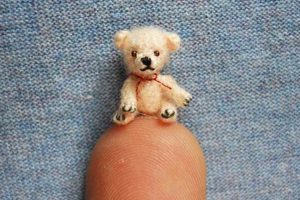
The phrase refers to a person skilled at retrieving prizes from a claw machine, often associated with arcade games. This skill implies a certain dexterity and understanding of the machine’s mechanics, allowing the individual to successfully manipulate the claw to grab and retrieve desired items, typically plush toys. An adept player can often win multiple prizes in a short amount of time, demonstrating a mastery over the game.
Beyond the literal act of winning a prize, this ability can also be viewed metaphorically. It represents a knack for acquiring something desirable, often against the odds. The term gained wider recognition through its use as a song title by the British indie rock band Arctic Monkeys. While the song itself doesn’t explicitly focus on the literal meaning, the phrase evokes imagery of arcade culture and the pursuit of a desired object, tying into themes of desire, luck, and youthful pursuits. The popularity of the song broadened the phrase’s usage, bringing it into the lexicon of popular culture.
This exploration of the phrase’s literal and figurative meanings provides a foundation for further discussion on related topics such as skill-based games, the allure of arcade culture, the psychology of reward systems, and the interpretation of artistic expression.
Tips for Mastering Claw Machines
Successfully retrieving prizes from claw machines involves more than random chance. Strategic approaches maximize the probability of success and minimize wasted attempts.
Tip 1: Observe Claw Strength: Evaluate the claw’s grip strength by watching others play or testing it with a low-value attempt. A weak claw will struggle to lift prizes, requiring a different strategy.
Tip 2: Target Loose Prizes: Focus on items that are already precariously positioned or near the drop chute. These require less effort to dislodge, increasing the odds of success.
Tip 3: Aim for the Center of Mass: Position the claw directly over the prize’s center of gravity. This balanced approach provides the most secure grip and prevents slippage during the lifting process.
Tip 4: Utilize the Walls: Leverage the machine’s walls to nudge or push prizes towards the drop chute. This technique can be particularly effective with round or spherical items.
Tip 5: Consider Prize Value: Higher-value prizes are often intentionally placed in more difficult positions. Assess the potential reward against the perceived difficulty before committing to an attempt.
Tip 6: Manage Expectations: Claw machines are designed for entertainment, and winning is not guaranteed. Approach each attempt with a realistic mindset and avoid excessive spending.
Tip 7: Watch and Learn: Observe successful players and analyze their techniques. Learning from others’ successes and failures can provide valuable insights and improve one’s own approach.
By employing these strategies, individuals can improve their odds of success and enjoy the challenge of claw machines more fully. Consistent practice and observation enhance the understanding of game mechanics and contribute to a more rewarding experience.
These practical tips provide a deeper understanding of the skills involved in successfully navigating claw machines and offer a pathway to becoming a more proficient “teddy picker.” The following section will explore the broader cultural significance and psychological aspects of these games.
1. Skill

Skill plays a crucial role in the meaning of “teddy picker,” moving beyond simple luck and encompassing a range of abilities. A proficient “teddy picker” demonstrates mastery over several key areas. Understanding claw strength is essential for gauging the appropriate force needed to secure a prize. Accurate depth perception allows for precise placement of the claw, maximizing grip. Hand-eye coordination is paramount for smooth, controlled movements, minimizing accidental slips or drops. Experienced players develop an intuitive understanding of prize distribution and weight, allowing them to target easier wins and avoid potentially frustrating attempts. These skills, honed through practice and observation, transform the act of retrieving a prize from a game of chance into a demonstrable skill.
Consider the difference between a novice and an expert. A novice often relies on random attempts, hoping for a lucky grab. An expert, however, analyzes the machine’s mechanics, prize placement, and claw strength before making a calculated move. This strategic approach, driven by honed skills, significantly increases their success rate. Real-life examples abound in competitive claw machine communities where skilled players consistently outperform novices, showcasing the direct impact of skill on outcome. Furthermore, the existence of tutorials and guides dedicated to improving claw machine technique further reinforces the role of learned skill in mastering the game. These resources often focus on developing specific skills, such as identifying weak claws, mastering the “nudge” technique, and understanding prize weight distribution.
Understanding the importance of skill in “teddy picker” reframes its meaning from mere chance to a demonstration of learned abilities. This insight provides a deeper appreciation for the dedication and practice required to become proficient. Moreover, it highlights the transferable nature of these skills, such as hand-eye coordination and strategic thinking, which can be applied to other areas of life. The pursuit of mastery in claw machine play exemplifies the human drive to improve and refine skills, transforming a simple arcade game into a microcosm of skill development and strategic execution.
2. Dexterity

Dexterity is fundamental to the meaning of “teddy picker,” representing the precise and coordinated physical control required for successful prize retrieval. This intricate skill goes beyond mere hand-eye coordination, encompassing fine motor control, rapid adjustments, and an understanding of spatial relationships within the confines of the claw machine. The ability to manipulate the joystick and button with precision, making minute adjustments to the claw’s position, directly influences the outcome. A deft touch allows for subtle maneuvering, increasing the chances of securing a prize, especially those precariously balanced or positioned in challenging locations. This nuanced control differentiates a skilled “teddy picker” from someone relying solely on luck.
Consider the challenge of picking up a small, lightweight plush toy nestled among other prizes. A lack of dexterity may result in the claw knocking the target aside or failing to grasp it firmly. However, precise joystick movements, coupled with timely button presses, enable a skilled player to navigate the claw with accuracy, securing the desired prize. This dexterity is often developed through repeated practice, gradually refining the player’s control and responsiveness. Observing experienced players reveals the subtle hand movements and precise timing that differentiate success from failure. Furthermore, the increasing complexity of modern claw machines, with varying claw strengths and prize arrangements, further emphasizes the importance of dexterity in achieving consistent success.
The connection between dexterity and “teddy picker” highlights the essential role of finely tuned motor skills in achieving mastery. This understanding elevates the act of playing claw machines beyond simple amusement, revealing the intricate interplay of physical control and strategic thinking required for consistent success. Developing dexterity in this context not only improves performance within the game but also potentially enhances broader fine motor skills applicable in various other activities. The ability to make precise, controlled movements translates into real-world benefits, showcasing the practical significance of dexterity cultivated through the pursuit of becoming a proficient “teddy picker.”
3. Arcade Games

Arcade games provide the essential context for understanding “teddy picker meaning.” Claw machines, a quintessential arcade staple, serve as the primary platform for this activity. The presence of these machines within the arcade environment establishes a direct link between the term and the broader cultural phenomenon of arcade gaming. Arcade culture, with its emphasis on skill-based entertainment and the pursuit of high scores, reinforces the competitive aspect of “teddy picking.” The pursuit of prizes, driven by the reward system inherent in arcade games, further solidifies the connection between the term and the arcade setting. Without arcade games, the concept of “teddy picker” would lack its defining characteristicthe physical act of manipulating a claw machine to acquire a prize. The arcade provides the stage, the claw machine the instrument, and the “teddy picker” the performer.
Consider the evolution of claw machines within arcades. Initially simple mechanical devices, they have evolved into sophisticated electronic games with varying levels of difficulty, prize values, and claw strengths. This evolution reflects the ongoing integration of “teddy picking” within the broader landscape of arcade entertainment. The presence of dedicated claw machine arcades further demonstrates the enduring popularity of this activity. Real-world examples, such as competitive claw machine events held in arcades, showcase the social dimension of “teddy picking,” transforming it from a solitary pursuit into a shared experience within the arcade community. The prevalence of online forums and communities dedicated to claw machine strategies underscores the importance of arcade culture in shaping the meaning and practice of “teddy picking.”
Understanding the relationship between arcade games and “teddy picker meaning” provides crucial insights into the cultural significance of this activity. It highlights the role of arcades as social spaces that foster skill development, competition, and the pursuit of rewards. The challenges inherent in mastering claw machines, coupled with the immediate gratification of winning a prize, contribute to the enduring appeal of this arcade pastime. This understanding extends beyond the simple act of playing a game, revealing the intricate interplay between skill, strategy, and the cultural context of arcade entertainment. “Teddy picking” becomes a microcosm of the broader arcade experience, representing the pursuit of mastery within a defined set of rules and constraints, ultimately reflecting the human drive for achievement and reward within a social setting.
4. Claw Machines
Claw machines are intrinsically linked to “teddy picker meaning,” serving as the primary apparatus through which the act of “teddy picking” is performed. Understanding their mechanics, design, and cultural significance is crucial for a comprehensive understanding of the term. Claw machines represent a unique intersection of skill, chance, and reward, contributing to their enduring popularity in arcade settings.
- Mechanical Design and Function
Claw machines operate on a simple yet compelling mechanical principle: a motorized claw, controlled by joystick and button inputs, attempts to grasp and retrieve prizes. Variations in claw strength, prize weight, and machine design introduce elements of challenge and strategy. A strong claw might grip prizes more effectively, while a weaker claw demands more precise positioning and timing. Understanding these mechanical nuances is fundamental to mastering the art of “teddy picking.” Observing the claw’s movement and assessing its grip strength before attempting a retrieval can significantly improve the odds of success. The design of the prize chute also plays a role, as some machines feature strategically placed obstacles or narrow openings that require precise maneuvering.
- Prize Variety and Value
The diverse array of prizes available in claw machines contributes to their allure. From plush toys and figurines to electronics and novelty items, the variety caters to a wide range of interests. The perceived value of these prizes, often exceeding the cost of a single play, adds a layer of reward and motivation. Skilled “teddy pickers” often target higher-value prizes, demonstrating their mastery over the machine’s mechanics and increasing the return on their investment. The strategic placement of prizes within the machine also influences gameplay, as more desirable items are often positioned in challenging locations, requiring greater skill and precision to retrieve.
- Psychological Appeal and Reward Systems
Claw machines exploit psychological principles of reward and anticipation. The intermittent reinforcement schedule, where wins are unpredictable yet attainable, creates a compelling loop that encourages continued play. The visual appeal of the prizes, combined with the tactile experience of manipulating the claw, further enhances the sense of engagement. The element of chance, while frustrating at times, also contributes to the excitement, as unexpected wins can generate a strong sense of accomplishment. This combination of factors creates a powerful psychological draw that keeps players invested in the pursuit of prizes, reinforcing the association between “teddy picking” and the pursuit of desirable objects.
- Cultural Significance and Social Context
Claw machines hold a unique position within arcade culture, representing a blend of skill and chance that appeals to a broad audience. They serve as social hubs within arcades, attracting onlookers and fostering friendly competition. The act of “teddy picking” can be both a solitary pursuit and a shared experience, with friends offering advice and celebrating successes. The prevalence of claw machines in popular culture, including their depiction in movies, television shows, and music, further solidifies their cultural significance. This widespread recognition reinforces the connection between “teddy picking” and the broader context of arcade entertainment, leisure activities, and the pursuit of tangible rewards.
These facets of claw machines collectively contribute to a deeper understanding of “teddy picker meaning.” They reveal the complex interplay of mechanical design, prize allure, psychological reward systems, and cultural significance that define this activity. “Teddy picking” transcends the simple act of retrieving a prize; it represents a demonstration of skill, strategy, and engagement within a specific cultural context. The enduring popularity of claw machines underscores their unique position within the entertainment landscape, providing a platform for the pursuit of mastery, the thrill of chance, and the satisfaction of acquiring a tangible reward.
5. Prize acquisition

Prize acquisition forms the core of “teddy picker meaning,” representing the tangible outcome and primary motivation for engaging with claw machines. The act of successfully retrieving a prize validates the “teddy picker’s” skill and provides a concrete reward for their efforts. This tangible reward system differentiates claw machines from other arcade games where the reward might be solely a high score or digital achievement. The physical acquisition of a prize adds a layer of gratification, transforming the experience from a purely digital interaction to a tangible accomplishment. The desirability of the prize itself influences the level of motivation, with rarer or higher-value items increasing the perceived reward and encouraging continued play.
Cause and effect are directly linked in this context. The “teddy picker’s” skill in manipulating the claw directly influences their ability to acquire a prize. Improved skill translates to a higher probability of success, reinforcing the connection between effort and reward. Conversely, repeated failures can lead to frustration, highlighting the importance of skill development in achieving the desired outcome. Real-world examples, such as dedicated claw machine enthusiasts who consistently win prizes, demonstrate the impact of honed skills on prize acquisition. The existence of online communities and forums dedicated to sharing claw machine strategies further emphasizes the importance of skill development in maximizing prize acquisition rates.
Understanding the significance of prize acquisition within “teddy picker meaning” provides insights into the psychological and motivational aspects of this activity. The tangible nature of the reward contributes to the enduring appeal of claw machines, offering a sense of accomplishment and ownership. The pursuit of prizes transforms the act of playing from a simple pastime into a goal-oriented activity, where success is measured by the acquisition of desired objects. This understanding has practical implications for arcade operators, who can leverage prize variety and value to attract and retain players. Furthermore, recognizing the importance of prize acquisition can enhance the player’s experience by encouraging a focus on skill development and strategic play, ultimately increasing their chances of success and maximizing the satisfaction derived from the activity.
6. Arctic Monkeys song
The Arctic Monkeys’ song “Teddy Picker” contributes significantly to the contemporary understanding of the term “teddy picker meaning.” While not explicitly about the literal act of retrieving prizes from a claw machine, the song utilizes the phrase to evoke a specific imagery and metaphorical meaning, broadening its cultural relevance and solidifying its connection to themes of desire, pursuit, and youthful aspiration.
- Metaphorical Representation
The song employs “teddy picker” as a metaphor for seeking something desirable, often against the odds. This metaphorical usage transcends the literal act of playing a claw machine and extends to broader themes of ambition, pursuit of goals, and the challenges of achieving desired outcomes. The lyrics, while abstract, resonate with listeners who identify with the experience of striving for something just out of reach, mirroring the experience of manipulating a claw in pursuit of a prize. This metaphorical interpretation expands the meaning of “teddy picker” beyond the arcade setting and into the realm of personal experience and aspiration.
- Cultural Impact and Popularization
The song’s popularity significantly broadened the usage of the term “teddy picker.” Prior to the song’s release, the phrase was primarily confined to arcade settings. However, the Arctic Monkeys’ song introduced the term to a wider audience, integrating it into popular culture and expanding its meaning beyond the literal act of playing a claw machine. This cultural impact demonstrates the power of music to shape language and imbue everyday terms with new meaning and significance. The song’s legacy continues to influence how the term is understood and used in contemporary contexts.
- Imagery and Atmosphere
The song’s musical style and lyrical content create a specific atmosphere that contributes to the overall meaning of “teddy picker.” The driving rhythm and energetic instrumentation evoke the frenetic energy of an arcade environment, while the lyrics, though not explicitly about claw machines, suggest a sense of youthful pursuit and the desire for instant gratification. This combination of musical and lyrical elements reinforces the association between “teddy picker” and the arcade setting, even within a metaphorical context. The song’s overall aesthetic contributes to a richer understanding of the term, connecting it to a broader cultural and emotional landscape.
- Lyrical Interpretation and Ambiguity
The ambiguity of the lyrics in “Teddy Picker” allows for multiple interpretations, further enriching the meaning of the term. While the song doesn’t explicitly detail the mechanics of playing a claw machine, it alludes to themes of luck, skill, and the pursuit of desirable objects. This lyrical ambiguity invites listeners to draw their own connections between the song’s themes and their personal experiences. The open-ended nature of the lyrics allows for a broader range of interpretations, contributing to the term’s enduring relevance and adaptability across different contexts.
These facets collectively demonstrate how the Arctic Monkeys’ song “Teddy Picker” expands and enriches the meaning of the term. The song’s metaphorical use of the phrase, its cultural impact, its evocative imagery, and its lyrical ambiguity contribute to a more nuanced understanding of “teddy picker,” connecting it to broader themes of desire, pursuit, and the challenges of achieving one’s goals. The song’s enduring popularity solidifies its role in shaping the contemporary understanding of “teddy picker,” transforming it from a simple description of an arcade activity into a culturally significant term with multifaceted meanings.
7. Metaphorical meaning

The metaphorical meaning of “teddy picker” extends beyond the literal act of manipulating a claw machine to encompass broader concepts of acquisition, desire, and the pursuit of often elusive goals. This metaphorical layer adds depth and complexity to the term, allowing it to resonate with experiences beyond the arcade setting. The act of strategically maneuvering the claw to retrieve a prize becomes a symbolic representation of navigating challenges and striving for desired outcomes in various aspects of life. This metaphorical interpretation relies on the inherent uncertainty and skill involved in operating a claw machine, mirroring the unpredictable nature of pursuing ambitions and the need for dexterity and strategy to achieve success. The desired prize, whether a plush toy or a more abstract goal, represents the object of desire, while the claw machine itself becomes a symbolic representation of the obstacles and challenges encountered in pursuit of that desire.
The cause-and-effect relationship between effort and outcome in the literal act of “teddy picking” reinforces its metaphorical application. Just as a skilled player strategically positions the claw to increase their chances of winning a prize, individuals in real-life scenarios must employ calculated strategies and honed skills to achieve their objectives. Examples of this metaphorical usage can be found in various contexts. In business, “teddy picker” might describe an individual skilled at identifying and securing lucrative deals. In the arts, it could refer to an artist’s ability to extract meaning or beauty from seemingly mundane subjects. The practical significance of understanding this metaphorical meaning lies in its ability to provide a framework for analyzing and interpreting situations where skill, strategy, and persistence are essential for achieving desired outcomes. Recognizing the metaphorical resonance of “teddy picker” allows for a deeper appreciation of the challenges and rewards inherent in pursuing any goal, whether tangible or abstract.
In conclusion, the metaphorical meaning of “teddy picker” adds a layer of complexity and cultural relevance to the term, transforming it from a simple description of an arcade activity into a powerful symbol of pursuit, strategy, and the challenges of achieving desired outcomes. This metaphorical interpretation broadens the term’s applicability to various life experiences, highlighting the importance of skill, persistence, and calculated risk-taking in achieving one’s goals. Recognizing the metaphorical resonance of “teddy picker” enhances understanding of human motivation, ambition, and the complexities of navigating real-world challenges in pursuit of desired objectives.
Frequently Asked Questions
This FAQ section addresses common inquiries regarding the meaning and connotations of “teddy picker.” The following questions and answers aim to clarify misconceptions and provide a deeper understanding of the term’s multifaceted nature.
Question 1: Does “teddy picker” exclusively refer to playing claw machines?
While the literal meaning pertains to skill in retrieving prizes from claw machines, the term has acquired a broader metaphorical meaning encompassing the pursuit of desirable objects or goals, often against the odds. This metaphorical usage extends beyond arcade settings.
Question 2: How did the term gain popularity beyond its literal meaning?
The Arctic Monkeys’ song “Teddy Picker” significantly contributed to the term’s wider recognition and metaphorical usage, introducing it to a broader audience and associating it with themes of desire, ambition, and youthful pursuits.
Question 3: Is “teddy picking” solely reliant on luck?
While chance plays a role, skill is a crucial factor in successful “teddy picking.” Dexterity, hand-eye coordination, strategic thinking, and an understanding of claw machine mechanics significantly influence the outcome.
Question 4: What skills are essential for becoming a proficient “teddy picker?”
Essential skills include precise hand-eye coordination, accurate depth perception, an understanding of claw strength and prize weight distribution, and the ability to strategically position the claw for optimal grip.
Question 5: Are there professional “teddy pickers?”
While not a formally recognized profession, competitive claw machine communities exist where skilled individuals demonstrate mastery and often win substantial prizes, showcasing the advanced skill level attainable.
Question 6: What is the cultural significance of “teddy picking?”
“Teddy picking” reflects aspects of arcade culture, the psychology of reward systems, and the human drive for skill development and achievement. It serves as a microcosm of the pursuit of desirable objects, highlighting the interplay of skill, strategy, and chance.
These responses provide a comprehensive overview of “teddy picker meaning,” addressing its literal and metaphorical interpretations. Understanding the term’s multifaceted nature allows for a richer appreciation of its cultural significance and relevance across various contexts.
Moving forward, the following sections will delve into specific techniques and strategies employed by experienced “teddy pickers,” offering practical insights for those seeking to improve their skills and maximize their chances of success.
Conclusion
This exploration of “teddy picker meaning” has traversed the multifaceted layers of the term, from its literal definition as a skilled operator of claw machines to its broader metaphorical connotations of acquisition, desire, and the pursuit of elusive goals. Key aspects examined include the skill and dexterity involved, the cultural context of arcade games and claw machines, the psychological appeal of prize acquisition, the influence of the Arctic Monkeys’ song, and the term’s metaphorical expansion into broader contexts. The analysis has revealed the intricate interplay of skill, chance, and reward inherent in “teddy picking,” highlighting its significance beyond mere amusement.
The term “teddy picker,” whether applied to the arcade setting or used metaphorically, represents a pursuit demanding strategy, precision, and an understanding of underlying mechanics. Further investigation into the psychology of skill-based games, the allure of reward systems, and the cultural impact of arcade entertainment promises deeper insights into the human drive for mastery and acquisition. The enduring fascination with “teddy picking” suggests a continued exploration of these themes as technology and entertainment evolve, potentially leading to new interpretations and applications of the term in the future.