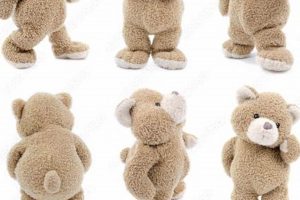
An assemblage of stuffed toy bears forms a popular collectible category. These assemblages can range from a few cherished childhood companions to vast, curated displays of rare and antique specimens. For example, a collection might focus on bears from a specific manufacturer, a particular historical period, or those embodying unique design characteristics.
Preserving these toys offers a tangible link to the past, documenting evolving manufacturing techniques and design trends. Historically, the teddy bear emerged in the early 20th century, quickly becoming a beloved children’s toy and, subsequently, a sought-after collectible. Assembled groupings can hold significant sentimental value, representing personal memories and familial connections across generations. Moreover, some collections attain considerable monetary value, particularly those containing rare or historically significant pieces. The study of these objects can provide insights into cultural history, social trends, and the evolution of childhood itself.
This exploration will delve further into specific aspects of curated toy bear assemblages, examining factors that contribute to their value, methods of preservation and display, and the vibrant communities that have formed around this enduringly popular collectible.
Tips for Maintaining and Expanding Assembled Toy Bears
Maintaining a collection of stuffed bears requires careful consideration of several factors to ensure their long-term preservation and potential appreciation in value. These guidelines offer practical advice for collectors of all levels of experience.
Tip 1: Documentation is Key: Maintain detailed records of each acquisition, including provenance, date of purchase, and any unique identifying features. Photographs and detailed descriptions are crucial for insurance purposes and future reference.
Tip 2: Proper Storage is Essential: Avoid direct sunlight, extreme temperatures, and high humidity, which can damage delicate fabrics and stuffing materials. Acid-free archival boxes and tissue paper are recommended for storage.
Tip 3: Handling with Care: Minimize handling to prevent wear and tear. When handling is necessary, use clean, dry hands. Avoid placing the bears in areas where they may be exposed to dust, pests, or accidental damage.
Tip 4: Cleaning and Repair: Surface cleaning should be done with a soft brush or vacuum cleaner with a low suction setting. Consult a professional conservator for significant repairs or cleaning of antique or fragile specimens.
Tip 5: Research and Authentication: Knowledge about manufacturers, historical periods, and design variations can significantly enhance the value and enjoyment of a collection. Authentication by reputable experts is especially important for rare or antique bears.
Tip 6: Displaying with Purpose: If choosing to display items, select a location away from direct sunlight and high traffic areas. Use appropriate display cases or stands to protect the bears from dust and accidental damage.
Tip 7: Connecting with the Community: Joining collector clubs and online forums provides valuable opportunities to share knowledge, learn about new acquisitions, and connect with other enthusiasts.
By adhering to these guidelines, collectors can safeguard their assembled toy bears for future generations while deepening their appreciation for these treasured objects.
These practical tips contribute to the long-term preservation and enjoyment of these cherished collections. The following section concludes this exploration with a summary of key insights.
1. Historical Significance
The historical significance of assembled toy bears extends beyond mere nostalgia. These objects serve as tangible artifacts reflecting evolving societal values, technological advancements in manufacturing, and shifting trends in design aesthetics. The emergence of the teddy bear in the early 20th century coincided with a growing appreciation for childhood and the development of specialized toys designed for children. Early examples, often handcrafted with simple materials, offer insights into the manufacturing processes of the era. Examining the evolution of materials, construction techniques, and stylistic features over time reveals a rich history intertwined with broader social and cultural changes. For instance, the shift from mohair to plush fabrics reflects advancements in textile production, while changing facial features and clothing styles mirror prevailing fashion trends of each era. The popularity of character-based bears, inspired by literature, film, and television, further illustrates the evolving cultural landscape.
Understanding the historical context of individual bears and the broader historical narrative surrounding their production adds depth and meaning to a collection. This knowledge allows collectors to appreciate their assembled toy bears not just as individual objects but as artifacts representing a specific time and place in history. Researching manufacturers, identifying historical periods, and understanding the cultural influences that shaped specific designs enhances the value and enjoyment of a collection. For example, a bear manufactured during wartime might exhibit material substitutions due to resource scarcity, providing a tangible link to historical events. Similarly, bears produced during periods of economic prosperity may showcase elaborate designs and luxurious materials, reflecting the prevailing economic climate. Recognizing these historical nuances elevates a collection beyond a mere assortment of toys, transforming it into a curated historical record.
The historical significance of assembled toy bears offers a unique lens through which to examine the past. By understanding the historical context surrounding these objects, collectors gain a deeper appreciation for the craftsmanship, cultural influences, and historical events that shaped their creation. This historical perspective enriches the collecting experience and contributes to the preservation of cultural heritage, offering valuable insights for future generations.
2. Monetary Value

Monetary value plays a significant role within assembled toy bear collections, influencing acquisition decisions, preservation strategies, and overall market dynamics. Several factors contribute to the monetary value of individual pieces, including rarity, condition, manufacturer, historical significance, and provenance. Limited edition or discontinued bears often command higher prices due to their scarcity. Bears in pristine condition, retaining original tags and accessories, typically achieve higher valuations compared to those exhibiting wear and tear. The manufacturer’s reputation also influences value; established brands like Steiff and Ideal are often associated with higher prices. Historically significant bears, such as those associated with notable events or personalities, can command substantial sums. Documented provenance, tracing the ownership history of a bear, further enhances its value. For instance, a first-edition Steiff bear in mint condition with documented provenance could be valued significantly higher than a more recent, mass-produced bear, even if the latter is in excellent condition. Understanding these factors enables collectors to make informed decisions regarding acquisitions, sales, and insurance valuations.
Market fluctuations impact the monetary value of assembled toy bears, reflecting broader economic trends and collector demand. Periods of economic growth often witness increased interest in collectibles, potentially driving up prices. Conversely, economic downturns can lead to decreased demand and lower valuations. Shifts in collector preferences, such as a growing interest in specific manufacturers or historical periods, can also impact market prices. Staying informed about market trends and consulting with reputable appraisers helps collectors navigate these fluctuations and make sound investment decisions. Diversifying a collection across various manufacturers, historical periods, and price points can mitigate risks associated with market volatility. For example, focusing solely on high-value, antique bears could expose a collection to greater fluctuations compared to a more diversified approach that includes both vintage and contemporary pieces.
While monetary value is an important consideration, it should not overshadow the intrinsic value and historical significance of assembled toy bears. The joy of collecting often stems from the personal connection to these objects, their historical context, and the shared passion within the collecting community. A balanced perspective, considering both monetary and non-monetary factors, enhances the collecting experience. Overemphasis on monetary value can lead to speculative behavior and detract from the genuine appreciation for these treasured objects. Ultimately, a well-rounded approach, informed by knowledge of market dynamics and a genuine appreciation for the historical and cultural significance of assembled toy bears, fosters a more rewarding and sustainable collecting experience.
3. Preservation Methods
Preservation methods are essential for maintaining the integrity and longevity of assembled toy bears. These methods safeguard against environmental factors and the natural deterioration that occurs over time. Factors such as light exposure, temperature fluctuations, humidity, pests, and handling contribute to material degradation, including fading, fabric weakening, and stuffing deterioration. Appropriate preservation techniques mitigate these risks, ensuring that collections remain in optimal condition for future generations. For example, displaying a bear in direct sunlight can cause its fur to fade and become brittle, while storing it in a damp environment can lead to mold growth and stuffing damage. Utilizing UV-filtering display cases and climate-controlled storage environments helps prevent such damage. Regular dusting with soft brushes or low-suction vacuum attachments removes surface dust and prevents its accumulation, which can attract pests and accelerate deterioration. Choosing appropriate cleaning methods is also crucial; harsh chemicals or abrasive cleaning techniques can damage delicate fabrics and finishes. Consulting a professional conservator is recommended for significant repairs or cleaning of antique or fragile specimens.
Implementing appropriate preservation methods involves a multi-faceted approach. Proper storage in archival-quality materials protects bears from environmental damage. Acid-free boxes and tissue paper prevent chemical reactions that can degrade fabrics and stuffing. Maintaining stable temperature and humidity levels further minimizes deterioration risks. When handling bears, clean, dry hands are essential to prevent the transfer of oils and dirt. Minimizing handling altogether further reduces wear and tear. Rotating displayed items periodically reduces prolonged exposure to light and environmental factors. Regular inspection for pests, such as moths and carpet beetles, allows for prompt intervention should an infestation occur. Creating a detailed inventory, including photographs and condition reports, documents the current state of the collection and provides a valuable reference for monitoring changes over time and for insurance purposes. This comprehensive approach ensures the long-term preservation of these treasured objects.
The diligent application of preservation methods ensures the longevity of assembled toy bear collections, safeguarding their historical, sentimental, and monetary value. Understanding the specific vulnerabilities of these objects, such as susceptibility to light damage and pest infestations, allows collectors to implement targeted preventative measures. While some level of natural aging is inevitable, proactive preservation significantly extends the lifespan of these cherished items, allowing future generations to appreciate their historical and artistic significance. Furthermore, well-preserved collections retain their value, ensuring that they remain a tangible legacy for years to come. Ultimately, the commitment to preservation reflects a deep respect for the history and artistry embodied in these collections, preserving their stories for future generations to discover and cherish.
4. Collecting Communities
Collecting communities play a vital role in the world of assembled toy bears. These communities offer a platform for enthusiasts to connect, share knowledge, and support one another. They provide a space for collectors to learn about different manufacturers, historical periods, and identification techniques. Collectors benefit from the collective expertise within these communities, gaining insights into valuation, preservation, and restoration methods. These groups often organize events, such as conventions and online forums, where members can display their collections, buy, sell, and trade bears, and learn from experts. For example, the Teddy Bear Artists’ Association and the Good Bears of the World are international organizations that connect collectors and promote the artistry and charitable aspects of teddy bear collecting. Regional clubs and online forums provide more localized opportunities for networking and knowledge sharing. The existence of these communities significantly enhances the collecting experience, fostering a sense of camaraderie and shared passion.
The impact of collecting communities extends beyond individual collectors. These groups contribute to the preservation of teddy bear history and culture. They document rare and unique bears, preserving knowledge about manufacturers, design variations, and historical context. Collective efforts to document provenance and preserve historical information safeguard the legacy of these objects for future generations. Furthermore, collecting communities often engage in charitable activities, using their shared passion to support worthy causes. For example, many groups organize teddy bear drives for children’s hospitals or donate proceeds from events to charitable organizations. This philanthropic aspect adds another dimension to the collecting experience, fostering a sense of purpose and community engagement. The collective knowledge and resources within these communities also contribute to research and scholarship in the field of toy collecting, expanding our understanding of the historical, cultural, and social significance of these objects.
The strength of assembled toy bear collecting lies significantly in the vibrant communities that have formed around this shared passion. These communities provide essential support, knowledge, and resources for collectors of all levels, from novice enthusiasts to seasoned experts. The collective preservation efforts, philanthropic activities, and ongoing research within these groups contribute significantly to the cultural heritage associated with these beloved objects. Understanding the role and importance of collecting communities enhances the collecting experience, fostering a deeper appreciation for the historical, social, and artistic significance of assembled toy bears. The challenges faced by these communities include maintaining engagement in a digital age and ensuring the accurate dissemination of information. Overcoming these challenges through innovative outreach and educational initiatives will be crucial for the continued growth and positive impact of these vital communities.
5. Manufacturer Variations

Manufacturer variations represent a significant aspect of assembled toy bear collections. Distinct companies, throughout history, developed unique design features, materials, and construction techniques. These variations offer collectors diverse avenues for specialization and study. Characteristics such as the type of fur (mohair, plush, synthetic), joint mechanisms (disc-jointed, string-jointed, lock-jointed), facial features (embroidered, painted, molded), and overall styling contribute to a bear’s distinctive identity. For example, Steiff bears are often recognized for their use of high-quality mohair, button-in-ear tags, and specific facial characteristics, while Ideal bears are known for their plush fur, pronounced snouts, and often larger sizes. Understanding these manufacturer-specific traits allows collectors to identify and authenticate individual bears, adding depth and complexity to their collections. This knowledge also contributes to accurate valuations, as certain manufacturers or specific models command higher prices in the market due to their rarity, historical significance, or perceived quality.
The study of manufacturer variations provides valuable insights into the evolution of toy manufacturing and design. Examining the materials and construction techniques employed by different companies reveals historical trends and technological advancements. For example, the shift from straw and wood wool stuffing to synthetic materials reflects changes in manufacturing processes and material availability. Similarly, the evolution of joint mechanisms, from simple string joints to more complex disc and lock joints, demonstrates advancements in toy design. Analyzing these variations within a collection allows collectors to trace the history of teddy bear production and appreciate the ingenuity and craftsmanship of different manufacturers. Furthermore, understanding the historical context of specific manufacturers adds depth and meaning to individual bears within a collection, connecting them to specific eras, design movements, and cultural influences. For instance, bears produced during wartime might exhibit material substitutions due to resource scarcity, providing a tangible link to historical events. This connection enhances the collecting experience and fosters a deeper understanding of the historical and cultural significance of assembled toy bears.
Manufacturer variations provide a rich tapestry for exploration within assembled toy bear collections. This focus allows collectors to develop specialized knowledge and appreciate the nuances of different manufacturers’ approaches to design, materials, and construction. Understanding these variations contributes to accurate identification, valuation, and preservation, while also providing insights into the historical evolution of toy manufacturing and design. Challenges in this area include the accurate identification of less-documented manufacturers and the authentication of vintage or antique bears. Overcoming these challenges through ongoing research, collaboration within collecting communities, and access to expert resources ensures the continued growth and understanding within this fascinating aspect of teddy bear collecting.
6. Display & Storage

Appropriate display and storage are crucial for preserving the condition and value of assembled toy bears. These practices protect collections from environmental damage, pests, and accidental harm, ensuring their longevity and enjoyment for years to come. Balancing the desire to display cherished items with the need for their long-term preservation requires careful consideration of various factors, including available space, environmental conditions, and the specific needs of individual bears.
- Environmental Control
Environmental factors, such as light, temperature, and humidity, significantly impact the condition of toy bears. Excessive light exposure can cause fading and fabric deterioration, while temperature fluctuations and high humidity can lead to mold growth and stuffing damage. Display and storage areas should be climate-controlled, avoiding direct sunlight, extreme temperatures, and damp environments. Utilizing UV-filtering films on windows and display cases minimizes light damage. Maintaining consistent temperature and humidity levels, ideally between 65-72F and 45-55% relative humidity, helps prevent deterioration. Regularly monitoring environmental conditions ensures a stable and protective environment for the collection.
- Storage Materials
Choosing appropriate storage materials is essential for preventing damage to delicate fabrics and stuffing. Acid-free archival boxes and tissue paper protect against chemical reactions that can degrade materials over time. Avoid using plastic bags or containers, as these can trap moisture and accelerate deterioration. Wrapping individual bears in acid-free tissue paper provides an additional layer of protection and prevents them from rubbing against each other, minimizing wear and tear. Properly labeling storage containers with details about the contents facilitates easy access and identification without unnecessary handling.
- Display Techniques
Displaying assembled toy bears allows for their appreciation while safeguarding their condition. Utilizing dedicated display cases or shelves protects them from dust, pests, and accidental damage. Avoid overcrowding displays, as this can lead to accidental bumps and damage. Rotating displayed items periodically minimizes prolonged exposure to light and environmental factors. Securely fastening bears to display stands prevents accidental falls and damage. Choosing display locations away from direct sunlight, high traffic areas, and potential hazards, such as fireplaces or heating vents, further protects the collection.
- Pest Prevention
Pests, such as moths and carpet beetles, pose a significant threat to assembled toy bears, particularly those made with natural fibers. Regularly inspecting storage and display areas for signs of pest activity, such as droppings or damaged fabrics, allows for early intervention. Utilizing cedar chips or lavender sachets in storage areas can deter pests naturally. Vacuuming storage and display areas regularly removes dust and debris, which can attract pests. If an infestation occurs, consult a professional pest control specialist experienced in handling delicate textiles and collectibles to ensure safe and effective treatment.
Careful consideration of display and storage practices is integral to the long-term preservation and enjoyment of assembled toy bear collections. By implementing these strategies, collectors safeguard their investments, ensuring that these cherished objects remain in optimal condition for future generations to appreciate. These practices contribute not only to preserving the physical integrity of the bears but also to maintaining their historical and sentimental value. The ongoing application of these methods, combined with regular monitoring and preventative measures, ensures the continued enjoyment and preservation of these treasured collections.
Frequently Asked Questions about Assembled Toy Bears
This section addresses common inquiries regarding assembled toy bears, providing concise and informative responses to facilitate a deeper understanding of these collections.
Question 1: How does one determine the value of a toy bear?
Several factors influence value, including manufacturer, age, condition, rarity, and provenance. Consulting price guides, auction records, and reputable appraisers can provide more specific valuations.
Question 2: What are the best practices for cleaning antique toy bears?
Surface cleaning with a soft brush or low-suction vacuum is generally recommended. For deeper cleaning or repairs, consulting a professional conservator specializing in textile preservation is advised. Avoid using harsh chemicals or abrasive cleaning methods, as these can damage delicate fabrics and finishes.
Question 3: How can one differentiate between authentic antique bears and reproductions?
Careful examination of materials, construction techniques, and manufacturer markings helps distinguish authentic pieces from reproductions. Consulting expert resources and reputable dealers provides further guidance on authentication.
Question 4: What are the most effective methods for storing assembled toy bears to prevent deterioration?
Storing bears in a cool, dry, dark environment using archival-quality materials is essential. Acid-free boxes and tissue paper protect against chemical reactions and environmental damage. Avoiding direct sunlight, extreme temperatures, and high humidity further minimizes deterioration risks.
Question 5: Where can one find reputable resources for researching and identifying specific manufacturers and historical periods?
Collector guides, online forums, museum archives, and specialized libraries offer valuable resources for researching toy bear manufacturers and historical periods. Consulting with established collectors and reputable dealers provides additional expertise.
Question 6: What are the key considerations when starting a toy bear collection?
Defining collecting goals, researching areas of interest (specific manufacturers, historical periods, or character types), and establishing a budget are crucial initial steps. Connecting with collecting communities provides valuable resources and support.
Addressing these common inquiries provides a foundational understanding for navigating the world of assembled toy bear collections. Continued research and engagement with collector communities further enhances knowledge and appreciation within this specialized field.
The following section concludes this exploration with a summary of key insights and concluding remarks.
The Teddy Bear Collection
Assembled toy bear groupings represent more than simple collections of childhood toys. They serve as tangible artifacts, reflecting evolving manufacturing techniques, design aesthetics, and cultural trends. From the earliest handcrafted mohair bears to contemporary artist-designed creations, these objects offer a unique lens through which to examine the history of childhood, social trends, and the enduring appeal of this iconic toy. Preservation methods, market dynamics, and the vibrant communities surrounding these collections contribute to their significance as both cultural artifacts and investment vehicles. Understanding manufacturer variations, historical context, and proper care practices enhances the value and enjoyment derived from these assembled groupings.
The continued study and appreciation of assembled toy bears ensures the preservation of a unique cultural heritage. These collections offer valuable insights into the past, fostering an understanding of evolving social values and technological advancements. As these collections continue to grow and evolve, they serve as a testament to the enduring power of nostalgia, the artistry of toy making, and the passionate communities that have formed around this beloved collectible. Further exploration and documentation of individual pieces and their historical context contribute to a richer understanding of these assembled groupings and their significance within cultural history.