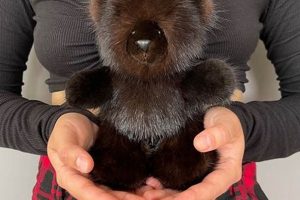
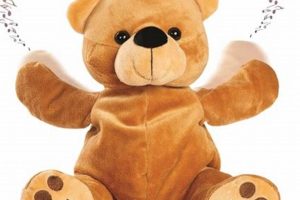
The name of the beloved stuffed companion belonging to the iconic comic strip cat, Garfield, is Pooky. He is a small, brown bear and a frequent fixture in the strip, often seen being clutched, hugged, or confided in by Garfield. Pooky serves as a silent counterpoint to Garfield’s often cynical and sarcastic observations about life.
This seemingly insignificant detail adds a layer of depth to Garfield’s character. While he projects an image of indolence and self-interest, his attachment to Pooky reveals a softer, more vulnerable side. This connection to a childhood comfort object adds a touch of realism and relatability to the otherwise fantastical world of a talking cat. Pooky’s presence has persisted through decades of the comic strip, solidifying his role as an integral part of Garfield’s world and a recognizable element for readers.
Further exploration of the Garfield comic strip reveals a rich history of recurring characters, running gags, and evolving relationships. Examining the role of secondary characters like Pooky, Jon Arbuckle, and Odie provides deeper insight into the enduring appeal and cultural impact of this long-running comic strip.
Tips for Understanding Character Dynamics through Inanimate Objects
The relationship a character has with inanimate objects can often reveal underlying personality traits and motivations. Examining such relationships offers a deeper understanding of character development and narrative themes.
Tip 1: Observe the Object’s Significance: Note how frequently the object appears and the context of its appearances. A constantly present object likely holds significant meaning for the character.
Tip 2: Analyze the Character’s Interactions: How does the character treat the object? Is it cherished, neglected, or used as a tool? These actions can reveal aspects of the character’s personality.
Tip 3: Consider the Object’s Symbolic Meaning: What does the object represent? Security? Innocence? Lost memories? The object’s symbolic meaning can provide insights into the character’s inner world.
Tip 4: Explore the Object’s History: If the object has a backstory, understanding its origins can shed light on its importance to the character. An inherited item, for example, may represent family ties or tradition.
Tip 5: Contrast the Object with the Character’s Persona: Does the object’s presence contradict or reinforce the character’s outward personality? This contrast can reveal hidden vulnerabilities or complexities.
Tip 6: Examine the Object’s Role in the Narrative: Does the object advance the plot or influence key events? The object’s narrative function can enhance understanding of its significance to the character and the story overall.
By analyzing character interactions with inanimate objects, one gains a deeper understanding of their motivations, vulnerabilities, and overall contribution to the narrative. This approach provides valuable insight into the intricacies of character development and storytelling techniques.
By exploring these nuances, a more comprehensive understanding of the narrative and its characters can be achieved.
1. Pooky

The name “Pooky” is the direct answer to the question, “What is Garfield’s teddy bear’s name?” This seemingly simple piece of information holds significance within the Garfield comic strip, offering insight into the character’s personality and providing a recurring motif of comfort and security.
- Emotional Security:
Pooky serves as a source of emotional security for Garfield. He frequently confides in Pooky, uses him as a pillow, and carries him around the house. This behavior suggests that Pooky represents comfort and stability in Garfield’s often chaotic world. Real-world examples include children’s attachment to stuffed animals or blankets, providing a sense of safety and familiarity. In the context of “what is Garfield’s teddy bear’s name,” the answer, Pooky, unlocks an understanding of Garfield’s underlying emotional needs.
- Vulnerability:
Garfield’s attachment to Pooky reveals a vulnerability that contrasts with his typically cynical and self-assured persona. This juxtaposition creates a more nuanced and relatable character. While Garfield often displays arrogance and disinterest in others, his interactions with Pooky demonstrate a capacity for genuine affection and a need for emotional connection. This reinforces the significance of knowing the teddy bear’s name, connecting “Pooky” to a deeper understanding of Garfield’s personality.
- Constancy:
Pooky has been a consistent presence in the Garfield comic strip for decades. This enduring presence underscores the importance of the teddy bear in Garfield’s life and provides a sense of continuity for readers. Unlike other characters and relationships that have evolved over time, Pooky remains a constant source of comfort and familiarity. This stability adds a layer of depth to the answer to “what is Garfield’s teddy bear’s name,” highlighting Pooky’s enduring role in the narrative.
- Humor:
Garfield’s interactions with Pooky often provide humorous situations within the comic strip. These interactions can range from Garfield having one-sided conversations with Pooky to using him as a prop in his various schemes. The humor derived from these situations reinforces Pooky’s role as an integral part of the Garfield universe. Understanding “what is Garfield’s teddy bear’s name” enhances the reader’s appreciation for the humor and dynamic between Garfield and his beloved companion.
By exploring these different facets of Pooky’s role in the Garfield comic strip, the seemingly simple question, “What is Garfield’s teddy bear’s name?” becomes a gateway to a deeper understanding of the character, the narrative, and the enduring appeal of this iconic comic strip. Pooky is not just a teddy bear; he is a symbol of comfort, vulnerability, and enduring companionship, enriching the overall narrative and providing valuable insights into Garfield’s character.
2. Security

The concept of security plays a crucial role in understanding the significance of Garfield’s teddy bear’s name, Pooky. Pooky represents a source of comfort and emotional security for Garfield, a constant presence in a world often characterized by lasagna cravings, Monday blues, and the general anxieties of existence. This connection between a tangible object and a feeling of safety mirrors human behavior, particularly in childhood. Children often develop attachments to inanimate objects like blankets or stuffed animals, imbuing them with a sense of security and using them as coping mechanisms in stressful situations. Pooky functions similarly for Garfield, providing a sense of stability and comfort in his often unpredictable life.
This need for security, represented by Pooky, reveals a vulnerability in Garfield’s character often masked by his cynical humor and perceived self-sufficiency. While he outwardly projects an image of independence and nonchalance, his attachment to Pooky suggests a deeper emotional need for comfort and reassurance. This dynamic adds a layer of complexity to Garfield’s personality, making him more relatable and sympathetic to readers. Observing this connection allows for a deeper appreciation of the nuances within the comic strip, demonstrating how even seemingly simple elements can contribute to a richer narrative.
Understanding the link between Pooky and Garfield’s sense of security provides valuable insight into the character’s emotional landscape. This connection highlights the importance of comfort objects, both in fiction and reality, as representations of emotional needs and coping mechanisms. The teddy bear’s name, therefore, is not just a trivial detail but a key to understanding the complexities of a beloved comic strip character and the human-like emotions he embodies.
3. Childhood comfort

Childhood comfort plays a significant role in understanding the importance of Garfield’s teddy bear, Pooky. The attachment to comfort objects, such as stuffed animals or blankets, is a common phenomenon in childhood. These objects often represent security, familiarity, and a source of solace during times of stress or anxiety. This connection stems from the object’s consistent presence, providing a tangible link to feelings of safety and well-being. Garfield’s relationship with Pooky mirrors this real-world phenomenon, demonstrating the enduring power of childhood comfort objects even in adulthood. This behavior resonates with readers who may have experienced similar attachments in their own lives, adding a layer of relatability to the comic strip.
This connection to childhood comfort provides insight into Garfield’s personality and emotional needs. While often portrayed as cynical and self-sufficient, his attachment to Pooky reveals a vulnerability and a desire for emotional security. Pooky serves as a confidant, a silent listener, and a source of solace in Garfield’s often chaotic world. This dynamic adds depth and complexity to his character, demonstrating that even outwardly confident individuals can harbor a need for comfort and reassurance. Observing this behavior within the comic strip allows for a deeper understanding of the nuances of character development and the importance of acknowledging emotional needs. One can draw parallels to real-world behaviors, where individuals may retain attachments to objects or routines that provide a sense of comfort and stability.
The link between Pooky and childhood comfort enhances the overall narrative of the Garfield comic strip. It offers a glimpse into the character’s inner world, providing a deeper understanding of his motivations and vulnerabilities. This connection allows for a more nuanced interpretation of Garfield’s behavior, moving beyond the surface level of humor and cynicism to explore the underlying emotional currents that drive his actions. Recognizing the significance of childhood comfort objects within the narrative enriches the reading experience and strengthens the connection between the character and the audience. It underscores the universal human need for security and comfort, regardless of age or outward appearance.
4. Vulnerability

The seemingly simple question, “What is Garfield’s teddy bear’s name?” leads to an understanding of a key aspect of the character: vulnerability. Garfield, often portrayed as cynical, sarcastic, and self-satisfied, reveals a softer, more vulnerable side through his attachment to Pooky. This attachment to a childhood comfort object acts as a window into his emotional landscape, suggesting a need for security and comfort beneath his gruff exterior. This dynamic adds depth and complexity to the character, making him more relatable and human-like despite being a cartoon cat. The very act of clinging to a teddy bear, particularly in private moments, exposes a vulnerability often masked by humor and bravado. This mirrors human behavior, where individuals might retain sentimental attachments to objects or practices from childhood as a source of comfort and security in the face of life’s challenges. Examples include adults keeping a cherished childhood toy or engaging in comforting rituals learned as children.
This vulnerability, symbolized by Pooky, enhances the narrative of the Garfield comic strip. It adds a layer of emotional depth, allowing readers to connect with Garfield on a more personal level. His interactions with Pooky demonstrate a capacity for genuine affection and a need for emotional connection, contrasting his often-displayed indifference towards other characters. This contrast humanizes Garfield, making his cynical pronouncements and comedic antics more palatable. The vulnerability he displays through his attachment to Pooky adds a layer of emotional realism to the otherwise fantastical world of a talking cat. This strengthens the connection between character and audience, fostering a sense of empathy and understanding that transcends the comedic surface of the strip. This understanding enhances the overall impact of the narrative, demonstrating how vulnerability can be a source of strength and relatability in storytelling.
Recognizing the connection between Pooky and Garfield’s vulnerability provides valuable insight into the character’s psychological makeup and strengthens the overall narrative. It highlights the importance of vulnerability, not as a weakness, but as a fundamental aspect of the human experience, even within the context of a fictional character. This nuanced portrayal of Garfield adds depth and complexity, allowing readers to connect with him on a deeper emotional level. The teddy bear, a symbol of childhood comfort and security, becomes a powerful representation of vulnerability and its role in shaping individual personalities and enriching narrative depth.
5. Character Depth

The seemingly trivial question, “What is Garfield’s teddy bear’s name?” unlocks a deeper understanding of character depth within the comic strip. The name, Pooky, is not merely a piece of trivia but a key to understanding Garfield’s complexities and the nuances that elevate him beyond a one-dimensional, lasagna-loving cartoon cat. Exploring this seemingly minor detail reveals a multifaceted personality, adding layers of emotional depth and relatability.
- Emotional Complexity:
Pooky represents a source of comfort and emotional security for Garfield, highlighting a vulnerability often masked by his cynical exterior. This duality, the coexistence of cynicism and vulnerability, adds depth to his character. Real-world individuals often exhibit similar complexities, presenting a tough exterior while harboring inner vulnerabilities. Pooky’s presence reveals this emotional complexity in Garfield, making him a more nuanced and relatable character.
- Relatability:
Garfield’s attachment to Pooky resonates with readers who have experienced similar attachments to comfort objects. This shared experience bridges the gap between the fictional world of the comic strip and the reader’s reality. The universality of finding comfort in familiar objects, especially during childhood, makes Garfield’s behavior relatable and strengthens the connection between character and audience. This relatability enhances the emotional impact of the strip, fostering a sense of shared experience and understanding.
- Narrative Significance:
Pooky’s presence in the strip is not merely decorative; it serves a narrative function. The teddy bear acts as a silent confidant, a witness to Garfield’s inner thoughts and vulnerabilities. This adds a layer of intimacy to the narrative, allowing readers a glimpse into Garfield’s private moments and emotional landscape. This narrative significance elevates Pooky beyond a simple prop, transforming him into a symbol of Garfield’s emotional core and a key to understanding his character arc.
- Character Development:
Over the decades of the comic strip’s run, Pooky has remained a constant in Garfield’s life. This consistency speaks to the enduring importance of childhood comfort and the lasting impact of early attachments. This reinforces the notion that Pooky is not merely a fleeting childhood fancy but a significant element in Garfield’s ongoing character development. This sustained presence provides a sense of continuity and stability within the narrative, underscoring the importance of Pooky’s role in shaping Garfield’s personality.
Understanding the significance of “what is Garfield’s teddy bear’s name” reveals the depth and complexity of Garfield’s character. Pooky’s presence enhances the narrative, adding layers of emotional resonance and relatability. This seemingly minor detail provides valuable insight into Garfield’s inner world, solidifying his status as a well-developed and enduring character within the world of comic strips. The exploration of this connection demonstrates how seemingly insignificant details can contribute significantly to character development and narrative richness.
Frequently Asked Questions about Garfield’s Teddy Bear
This section addresses common inquiries regarding Garfield’s teddy bear, providing concise and informative responses.
Question 1: Why is Garfield’s attachment to Pooky significant?
The attachment reveals a vulnerability beneath Garfield’s cynical exterior, adding depth and complexity to his character. It demonstrates a need for comfort and security, humanizing him despite his portrayal as a cartoon cat.
Question 2: Is Pooky a recurring element in the Garfield comic strip?
Yes, Pooky has been a consistent presence throughout the decades-long run of the Garfield comic strip, underscoring his importance as a comfort object and a symbol of emotional security for Garfield.
Question 3: Does Pooky ever speak or interact directly within the strip?
No, Pooky is an inanimate object and does not speak or act independently. His significance lies in Garfield’s interactions with him and the emotional connection they share.
Question 4: How does Pooky contribute to the humor in Garfield?
Garfield’s interactions with Pooky often create humorous situations, from one-sided conversations to using Pooky as a prop in his schemes. These moments add to the comedic dynamic of the strip.
Question 5: Does Pooky have any specific backstory or origin within the strip?
While the exact origin of Pooky is not extensively detailed, his consistent presence since the early years of the strip suggests he represents a connection to Garfield’s childhood and a sense of enduring comfort.
Question 6: What does Pooky represent symbolically within the Garfield narrative?
Pooky symbolizes childhood innocence, emotional security, and the enduring need for comfort and connection, even in adulthood. He serves as a tangible representation of Garfield’s vulnerability and a reminder of his emotional needs.
Understanding the role of Pooky within the Garfield comic strip enhances appreciation for the character’s depth and complexity. This seemingly minor detail provides valuable insight into the nuances of Garfield’s personality and the overall narrative.
Further exploration of character dynamics and recurring themes in Garfield can enrich the reader’s understanding and appreciation of this iconic comic strip.
The Significance of Pooky in the Garfield Universe
The seemingly simple question, “What is Garfield’s teddy bear’s name?” yields a surprisingly complex answer with significant implications for understanding the iconic comic strip character. Pooky, the small brown bear, is more than just a stuffed toy; he represents a source of comfort, security, and a connection to childhood innocence. This attachment reveals a vulnerability beneath Garfield’s often-displayed cynicism, adding depth and relatability to his personality. Pooky’s consistent presence throughout the comic strip underscores his importance as a symbol of emotional stability and a key to understanding Garfield’s inner world.
Exploration of this seemingly minor detail illuminates the richness and complexity that can be found within even the most familiar narratives. Recognizing the significance of comfort objects and their impact on character development enriches the reader’s appreciation for the nuances of storytelling and the enduring power of emotional connection. Further examination of such details within popular culture can provide valuable insights into character dynamics, narrative themes, and the human experience itself.