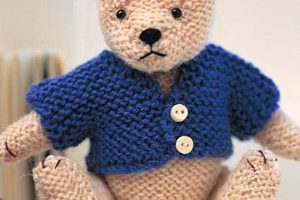
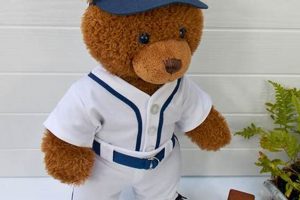
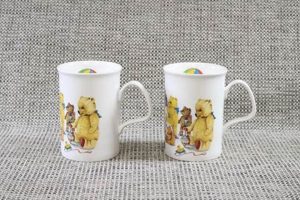
Deciding the fate of beloved but aged plush toys presents numerous options, from charitable donations and upcycling to repurposing and respectful disposal. For example, a well-loved bear might find a new home with a child in need, be transformed into a decorative pillow, or provide material for craft projects.
Thoughtful consideration of these options demonstrates responsible consumption and resource management. Historically, plush toys held sentimental value, representing childhood comfort and companionship. Preserving these memories while minimizing waste is a growing concern in modern society, encouraging sustainable practices and reducing environmental impact. The act of repurposing or donating these items can also bring joy to others and contribute to a sense of community.
This article will explore several avenues for handling aged plush toys, offering practical guidance and creative inspiration for extending their lifespan or ensuring their respectful retirement.
Handling Well-Loved Plush Toys
The following suggestions offer practical and ethical solutions for managing aged plush toys, ensuring their continued usefulness or respectful disposal.
Tip 1: Donation to Charitable Organizations: Consider donating gently used plush toys to charities, hospitals, or shelters. Many organizations accept these items to comfort children or those in need.
Tip 2: Upcycling for Continued Use: Repurpose old plush toys into other items like pillows, blankets, or patches for clothing. This extends their lifespan and creates unique, personalized items.
Tip 3: Crafting and Artistic Projects: Utilize the fabric and stuffing from older plush toys for craft projects. This can include creating new toys, quilts, or decorative items.
Tip 4: Memory Preservation through Photography: Document cherished memories by photographing well-loved plush toys before repurposing or donating them. This allows for sentimental preservation without physical retention.
Tip 5: Respectful Disposal: If a plush toy is beyond repair or unsuitable for donation, ensure its disposal is handled respectfully. Check local regulations for textile recycling or appropriate waste disposal methods.
Tip 6: Repair and Restoration: Minor damage can often be repaired, extending the lifespan of a cherished toy. Simple sewing repairs or cleaning can restore a plush toy to a usable condition.
Implementing these suggestions promotes responsible resource management and allows for the sentimental value of these items to be honored or passed on to others.
By considering these options, individuals can make informed decisions about the future of their cherished plush companions.
1. Donate

Donating gently used plush toys offers a meaningful solution for their continued use and provides comfort to individuals in various situations. This act directly addresses the question of responsible handling of aged toys, offering a sustainable alternative to disposal. Organizations such as children’s hospitals, shelters, and charities often accept these donations, distributing them to children in need of comfort or those experiencing difficult circumstances. For example, a well-loved teddy bear can provide solace to a child undergoing medical treatment or facing displacement due to a natural disaster. The impact of such a donation extends beyond the recipient, fostering a sense of community and encouraging responsible resource management.
The practical significance of donation lies in its multifaceted benefits. It reduces waste by diverting usable items from landfills, minimizes the accumulation of unwanted possessions, and supports organizations dedicated to helping others. Donating plush toys allows cherished items to continue bringing joy, fulfilling a new purpose while alleviating the emotional burden of discarding sentimental objects. Furthermore, selecting reputable organizations ensures ethical handling and appropriate distribution of donated items, maximizing the positive impact of this choice.
Choosing donation as a solution for aged plush toys aligns with sustainable practices and fosters a sense of social responsibility. While sentimental attachment can make parting with these items challenging, recognizing the potential benefits for recipients often outweighs the difficulty. Donating provides a tangible way to extend the lifespan of cherished objects while contributing positively to the lives of others, solidifying its importance as a key component within the broader context of responsible resource management and community support.
2. Repurpose

Repurposing offers a creative and sustainable solution for aged plush toys, transforming sentimental objects into functional or decorative items. This approach extends the lifespan of cherished companions while minimizing waste and maximizing resource utilization. It allows for the preservation of memories in a tangible form, embodying a practical application of circular economy principles.
- Memory Bears:
Creating smaller keepsake bears from the fabric of a larger, well-loved plush toy allows for the retention of sentimental value in a new form. This practice often involves using portions of the original toy’s fabric and stuffing to create miniature versions, preserving the memory of the original while minimizing the physical space required for storage. These smaller bears can be kept as personal mementos or gifted to family members, ensuring the continuation of cherished memories across generations.
- Clothing and Accessories:
Plush toy fabric can be repurposed into clothing patches, scarves, or accessories. This offers a unique way to incorporate sentimental materials into everyday items. For example, a patch from a beloved teddy bear can be sewn onto a jacket or bag, providing a constant reminder of cherished memories. This practice not only extends the lifespan of the original toy but also imbues new items with personal significance.
- Home Dcor:
Plush toys can be transformed into decorative items for the home, such as pillows, blankets, or wall hangings. This approach offers a practical and aesthetically pleasing way to integrate sentimental objects into interior design. For instance, a larger plush toy can be converted into a decorative pillow, providing both comfort and a visual reminder of cherished memories. This method allows for the continued presence of beloved toys in a functional and visually appealing manner.
- Crafting Materials:
The fabric, stuffing, and other components of plush toys can serve as valuable materials for various craft projects. Buttons, eyes, and other embellishments can be reused in new creations. This resourceful approach minimizes waste and encourages creativity, offering a sustainable alternative to discarding aged toys. The materials can be incorporated into quilts, scrapbooks, or other artistic endeavors, further extending the lifespan of the original item in a transformative and imaginative way.
Repurposing plush toys offers a tangible expression of sustainable practices and sentimental preservation. These methods demonstrate a commitment to responsible consumption and resource management, transforming cherished objects into functional items or artistic expressions that carry continued meaning and purpose.
3. Repair

Repairing a well-loved plush toy offers a viable alternative to replacement or disposal, directly addressing the question of responsible handling for aged and damaged toys. This approach acknowledges the sentimental value often associated with these items, recognizing the emotional connection that extends beyond their physical form. Repairing a torn seam, replacing a missing eye, or restuffing a flattened body can significantly extend the lifespan of a cherished companion, preserving its physical presence and the associated memories. For example, a child’s attachment to a specific teddy bear might be deeply rooted in comfort and security; repairing the bear reinforces this bond and avoids the potential distress of losing a familiar object.
The practical significance of repair lies in its contribution to sustainable practices. Repairing reduces the demand for new products, minimizing the consumption of resources and the generation of waste associated with manufacturing and disposal. Furthermore, the act of repairing an item can foster a sense of accomplishment and resourcefulness, promoting a more mindful approach to material possessions. Repairing a plush toy, rather than discarding it, demonstrates a commitment to responsible consumption and contributes to a more sustainable lifestyle. This approach can be particularly relevant for vintage or antique plush toys, where replacement might be difficult or impossible, preserving historical artifacts and family heirlooms.
Repairing aged plush toys presents a tangible solution within the broader context of responsible resource management and sentimental preservation. While certain repairs may require specialized skills or professional assistance, many simple fixes can be accomplished with basic sewing knowledge and readily available materials. This accessibility empowers individuals to actively participate in the preservation of cherished objects, fostering a deeper appreciation for their value and promoting a more sustainable approach to consumption. The choice to repair reinforces the importance of mindful object care, contributing to both personal and environmental well-being.
4. Memorialize
Memorializing a well-loved plush toy offers a poignant way to honor its significance within personal history while navigating the complexities of letting go. This approach recognizes the emotional weight associated with these objects, often representing childhood comfort, companionship, or significant life events. The act of memorialization provides a tangible means of preserving the memory and emotional resonance of a cherished plush companion, even in its physical absence. For example, creating a shadow box display featuring the toy, alongside photographs and other related mementos, can transform it into a cherished keepsake, honoring its place within personal narrative.
Practical applications of memorialization extend beyond sentimental preservation. Documenting the history of a beloved plush toy through photographs, written anecdotes, or audio recordings creates a tangible record of family history and personal experiences. These records can be shared with future generations, fostering intergenerational connections and providing insights into familial traditions and values. Furthermore, memorialization can offer a healthy way to process grief and loss, particularly for children experiencing the symbolic loss of a cherished childhood object. Creating a memorial ceremony or ritual can provide closure and facilitate the transition to new phases of life, honoring the significance of the object while acknowledging the necessity of change.
Memorializing a cherished plush toy presents a thoughtful and meaningful approach within the broader theme of managing aged and well-loved objects. This practice acknowledges the complex interplay between material possessions and emotional significance, offering a pathway to preserve memories and honor personal history. While physical objects may inevitably deteriorate or require disposal, the memories and emotional connections they represent can endure through thoughtful acts of memorialization, ensuring their continued relevance within personal and familial narratives. This approach fosters a deeper appreciation for the intangible value of cherished possessions, contributing to a more mindful and meaningful relationship with material objects.
5. Recycle
Recycling offers a responsible and environmentally conscious approach to managing the disposal of aged plush toys, particularly when they are no longer suitable for donation or repurposing. This method addresses the growing concern of textile waste and its impact on landfills. Plush toys, often composed of synthetic fabrics and fillings, can persist in the environment for extended periods. Recycling these materials reduces landfill burden and contributes to resource conservation. For instance, some recycling facilities accept textiles for processing into fibers used in insulation, carpet padding, or other industrial applications. This process diverts waste from landfills and reduces the demand for virgin materials, contributing to a more sustainable materials economy.
The practical application of recycling plush toys can, however, present challenges. Many conventional recycling programs do not accept textiles, requiring individuals to seek specialized textile recycling facilities or alternative disposal methods. Furthermore, the composition of some plush toys, particularly those containing mixed materials or electronic components, can complicate the recycling process. Despite these challenges, the increasing availability of textile recycling options and growing awareness of sustainable waste management practices highlight the importance of considering recycling as a viable option for aged plush toys. Investigating local options and adhering to specific guidelines provided by recycling facilities maximizes the effectiveness of this approach. For example, some organizations specialize in recycling specific types of plush toys, allowing for more efficient material recovery and repurposing.
Recycling, while not always straightforward, remains a crucial component within the broader framework of responsible plush toy management. Understanding the limitations and actively seeking available resources empowers individuals to make informed decisions regarding disposal. The environmental benefits of diverting textile waste from landfills, coupled with the growing accessibility of specialized recycling options, underscore the significance of considering recycling as a viable and responsible solution for aged plush toys, contributing to a more sustainable approach to consumption and waste management. This practice aligns with broader environmental goals and fosters a more responsible relationship with material possessions, minimizing environmental impact and maximizing resource utilization.
6. Compost (organics only)

Composting offers a natural decomposition process for organic materials, transforming them into nutrient-rich soil amendments. However, its applicability to plush toys is limited strictly to those made entirely of organic, compostable materials. Most conventional plush toys contain synthetic fabrics, fillings, and plastic components unsuitable for composting. Attempting to compost these materials can contaminate the compost pile with non-biodegradable substances, hindering the decomposition process and potentially introducing harmful microplastics into the resulting compost. Therefore, composting is a viable option only for plush toys specifically designed and labeled as compostable, typically made from materials like organic cotton, wool, or kapok fiber, and filled with natural materials such as straw or wood shavings. For example, some eco-conscious toy manufacturers now produce plush toys specifically designed for composting at the end of their lifespan, addressing the growing demand for sustainable toy options.
Distinguishing between compostable and non-compostable plush toys is crucial for effective waste management. Careful examination of material composition labels is essential. Organic certifications, such as GOTS (Global Organic Textile Standard), can indicate compostability. However, even with certified organic materials, the presence of plastic buttons, eyes, or internal structural elements renders the entire toy unsuitable for composting. These non-organic components must be removed and disposed of separately before composting the remaining organic materials. Practical application of composting for plush toys requires meticulous sorting and adherence to specific composting guidelines, ensuring the integrity of the compost and minimizing environmental impact. For instance, home composting systems might not effectively decompose larger plush toys, necessitating the use of industrial composting facilities.
Composting, while a sustainable disposal method for appropriate organic materials, represents a niche solution within the broader spectrum of plush toy management. Its limited applicability underscores the importance of responsible material selection at the point of purchase. Choosing plush toys made from organic, compostable materials facilitates environmentally sound disposal at the end of the toy’s lifespan. However, for the vast majority of conventional plush toys, alternative methods like donation, repurposing, or responsible disposal remain more appropriate. Composting offers a valuable end-of-life option only for specifically designed compostable plush toys, highlighting the interconnectedness between consumer choices, product design, and sustainable waste management practices.
Frequently Asked Questions
Addressing common inquiries regarding the handling of aged plush toys provides clarity and facilitates informed decision-making.
Question 1: What are the most sustainable options for handling old plush toys?
Donation to reputable organizations, repurposing into new items, and repairing minor damage represent the most sustainable approaches, maximizing resource utilization and minimizing waste generation.
Question 2: Can plush toys be recycled?
Recycling options for plush toys vary depending on local facilities and material composition. Some facilities accept textiles for downcycling into industrial materials. Contacting local waste management services is recommended to determine available options.
Question 3: Are all plush toys suitable for donation?
Generally, gently used plush toys in good condition are suitable for donation. However, organizations may have specific guidelines regarding hygiene and safety. Contacting the chosen organization beforehand ensures compliance with their donation policies.
Question 4: What if a plush toy is beyond repair and unsuitable for donation?
Respectful disposal is crucial. Check local regulations for textile recycling or appropriate waste disposal methods. If the toy is composed entirely of natural, organic materials, composting may be a viable option.
Question 5: How can sentimental value be preserved when parting with a cherished plush toy?
Memorializing the toy through photographs, creating a keepsake using a portion of its fabric, or documenting its history through written anecdotes can preserve sentimental value while facilitating the physical parting process.
Question 6: What factors should be considered when choosing how to handle an old plush toy?
The toy’s condition, material composition, sentimental value, and available disposal or recycling options are key factors to consider. Evaluating these factors allows for informed decision-making that aligns with personal values and environmental responsibility.
Responsible management of aged plush toys requires careful consideration of various factors. Prioritizing sustainable practices, honoring sentimental value, and understanding available options facilitates environmentally conscious and personally meaningful decisions.
For further information and resources regarding sustainable waste management and textile recycling, consult local waste management services or environmental organizations.
Conclusion
Deciding the fate of aged plush toys requires thoughtful consideration, balancing sentimental value with responsible resource management. Options range from charitable donation and creative repurposing to environmentally conscious disposal methods like recycling or composting (for applicable materials). Repairing and preserving damaged toys extends their lifespan, while memorialization offers a meaningful way to honor their significance within personal narratives. Each approach presents unique benefits, contributing to sustainable practices, community support, or the preservation of cherished memories.
The thoughtful management of these cherished objects reflects a broader shift towards mindful consumption and responsible stewardship of material possessions. By considering the available options and making informed choices, individuals contribute to a more sustainable future while honoring the emotional significance these companions hold within personal and familial histories. This conscious approach fosters a deeper appreciation for the value of objects beyond their immediate utility, promoting a more meaningful and responsible relationship with the material world.